Cook the Principle
Recipes that teach one cooking idea you can use forever.
Most recipes tell you what to do. These show you why it works. Each Better Bite Lab recipe teaches one cooking principle, explains the key steps, and shows you what can go wrong so you can fix it next time.
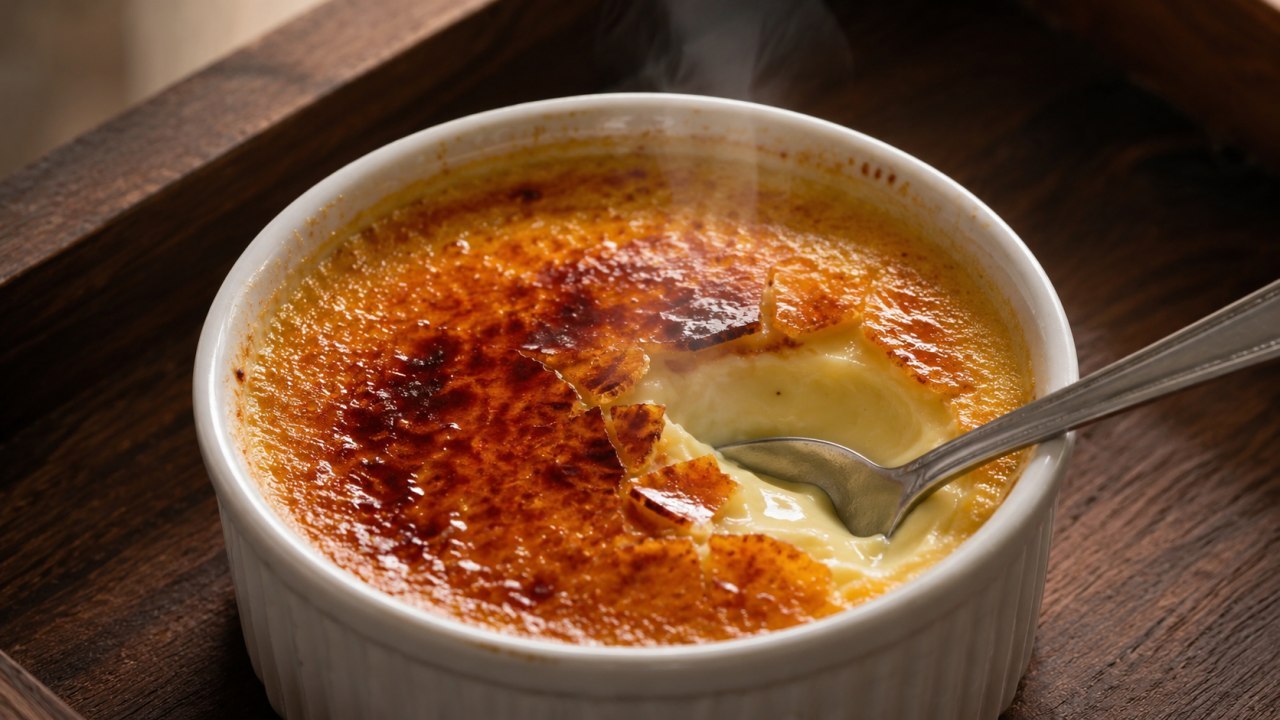
Crème Brûlée
Egg proteins don't have one setting temperature — they have a range. They begin setting at 150°F and fully set by 170°F. At 180°F, they scramble. A water bath keeps the custard at exactly the right temperature by creating a ceiling the water can't exceed. Your oven says 325°F — but water in the bath never goes above 212°F, and the custard inside stays in the perfect 160 to 170°F window.
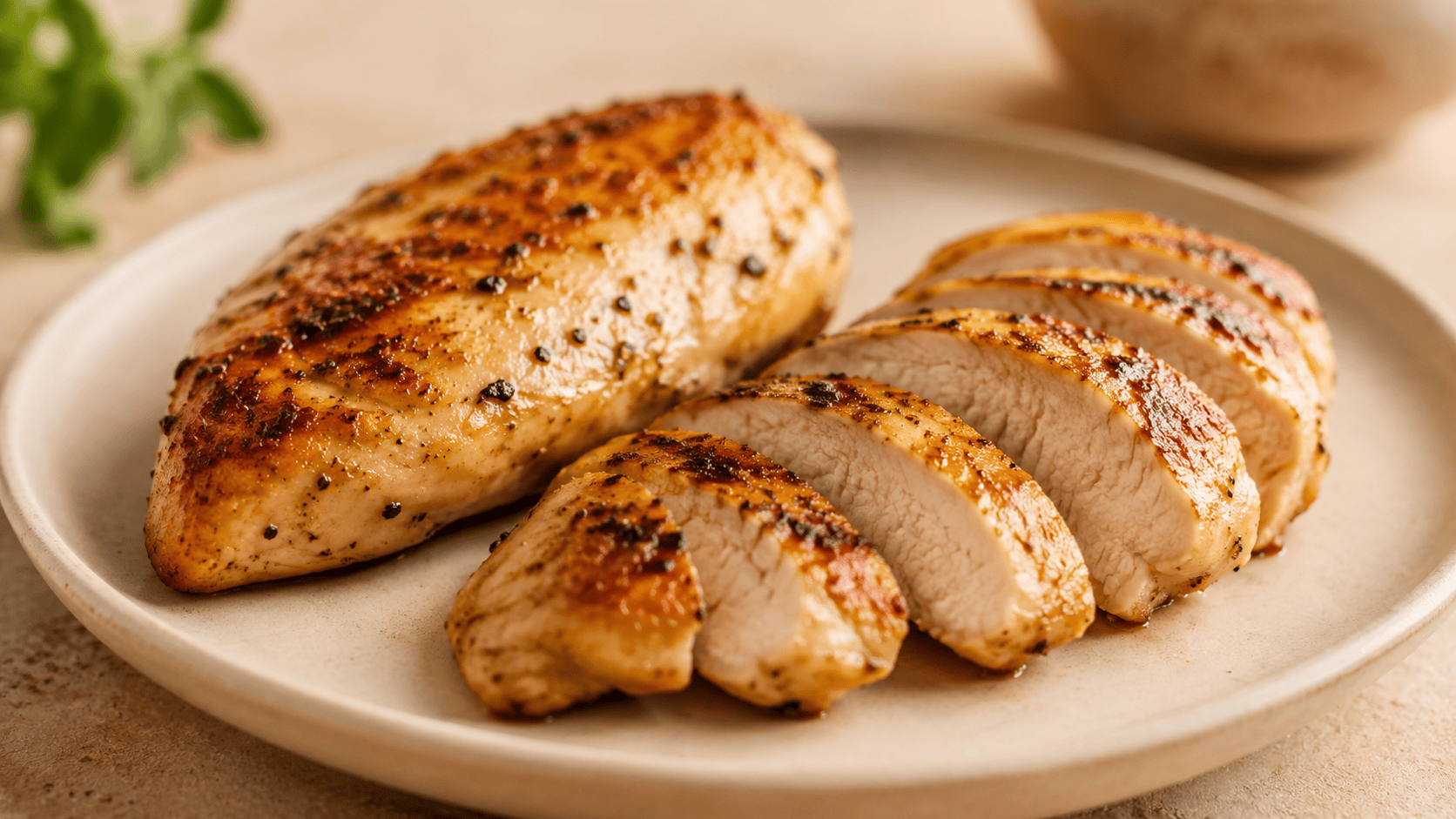
Pan-Seared Chicken Breast
Carryover cooking: food keeps cooking after it leaves the heat. Pull your chicken 5 to 10°F early, let it rest, and the center finishes on its own. No dry chicken. No guesswork.
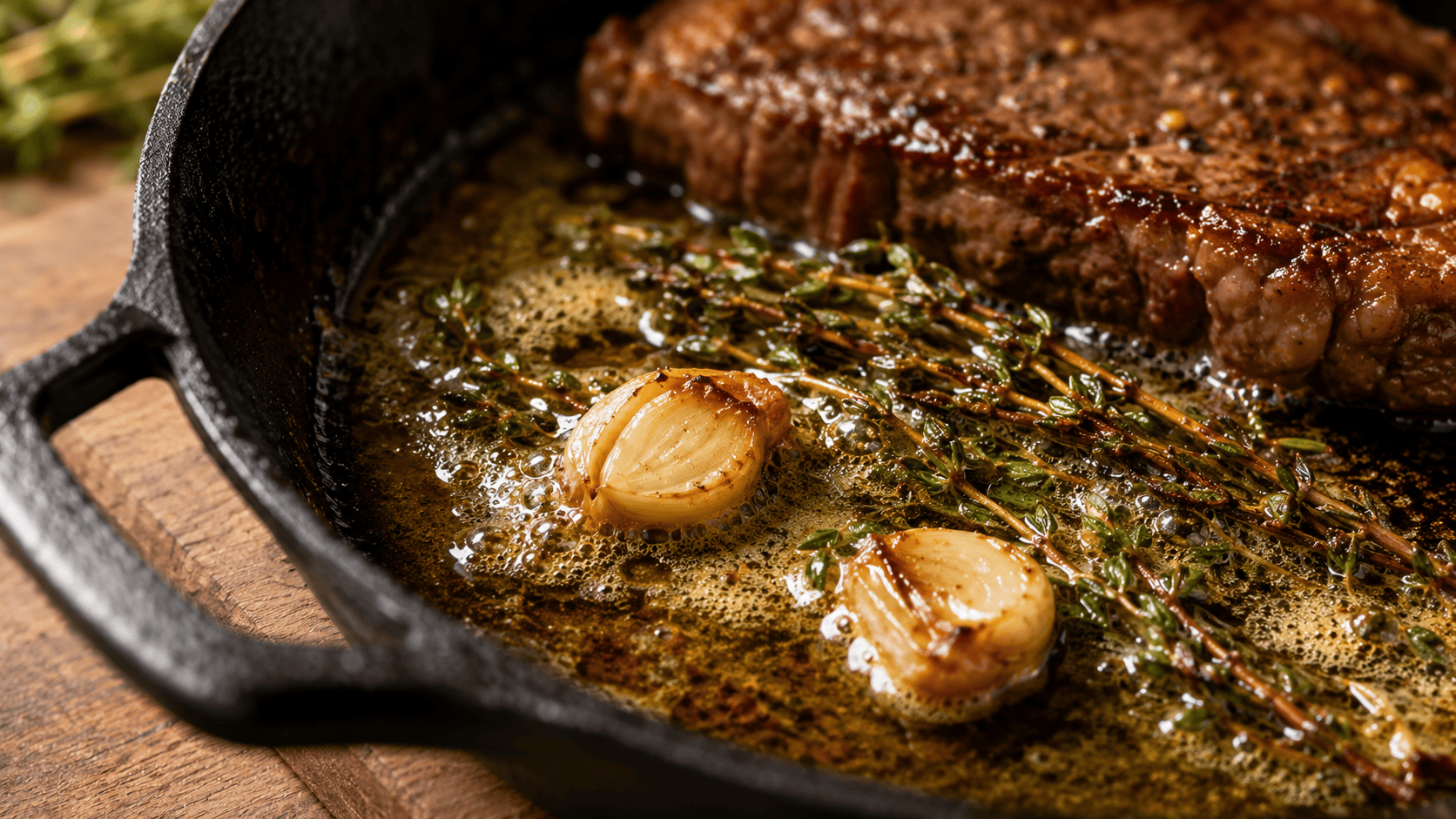
Garlic-Infused Pan Oil
Garlic burns at roughly 300°F. Maillard browning happens at 280°F and up. Add garlic too early and it burns before the crust forms. Add it at the end with butter to infuse without scorching.
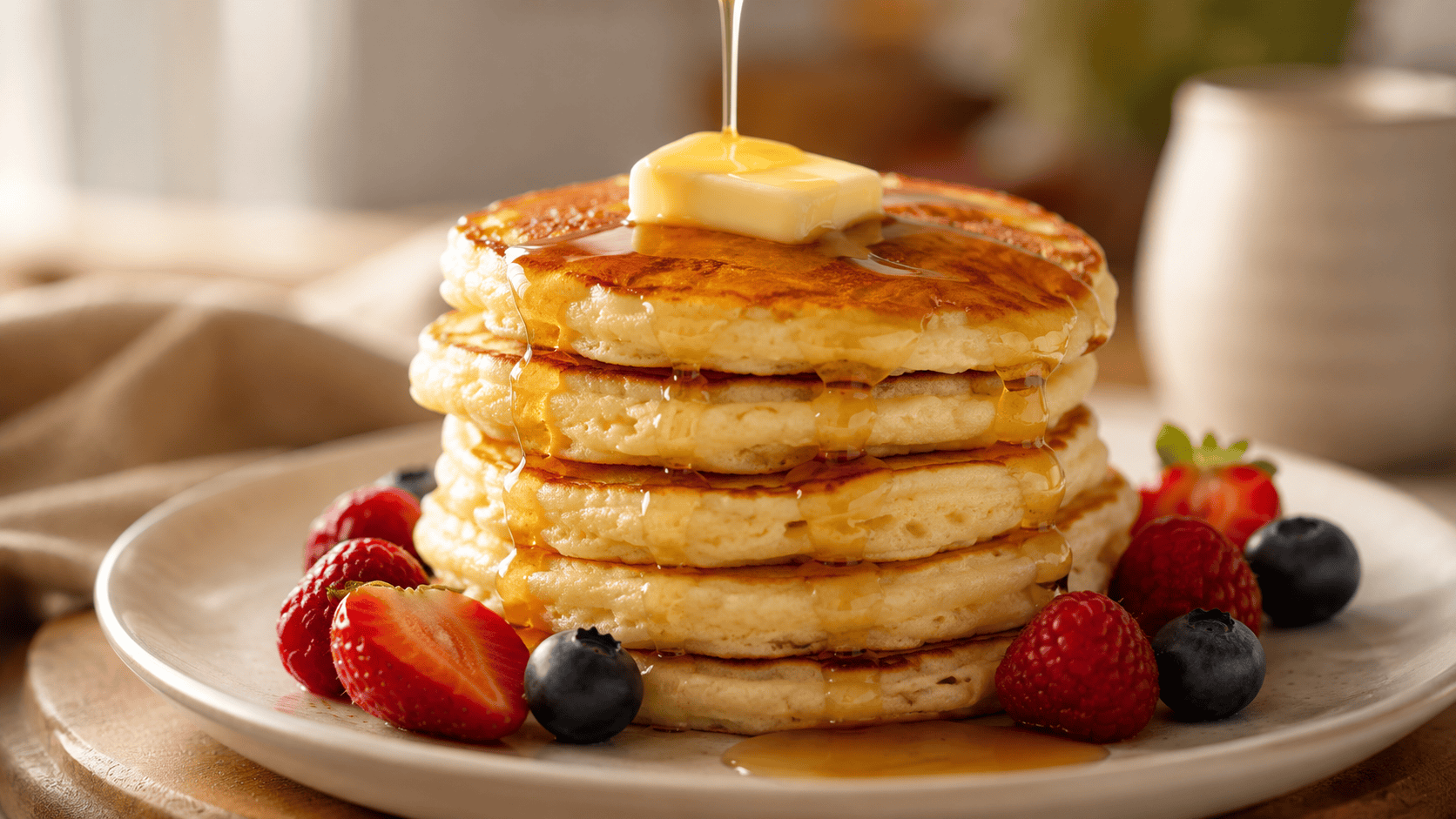
Lumpy-Batter Pancakes
Flour + water + stirring = gluten. Gluten gives bread its chew and pancakes their toughness. Mix just until the dry disappears. Lumps dissolve during cooking.
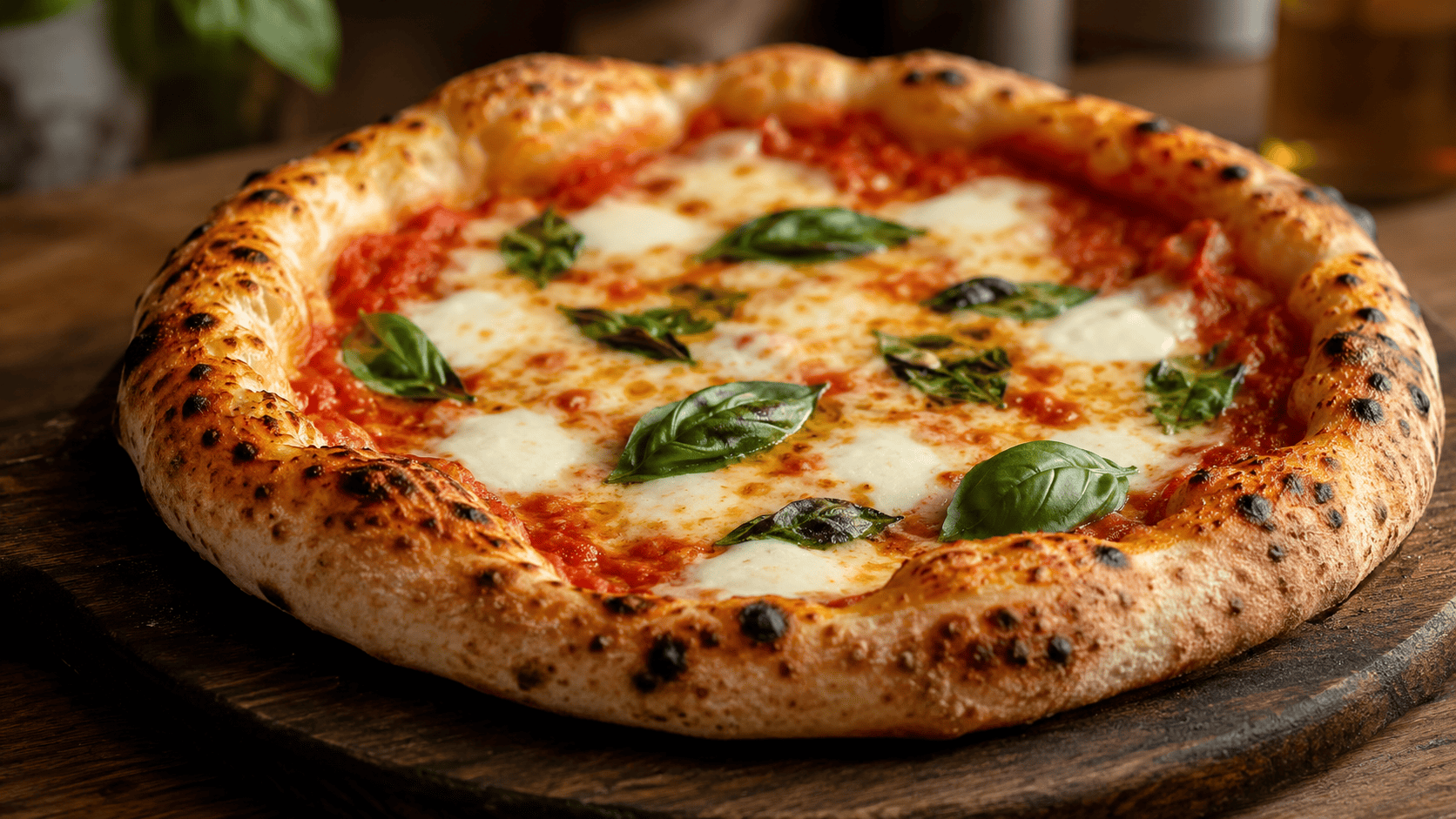
Overnight Pizza Dough
Time does the kneading for you. Flour and water left to rest overnight develop gluten naturally through a process called autolysis. Enzymes break down starches into sugars. Yeast produces flavor slowly. No kneading required.
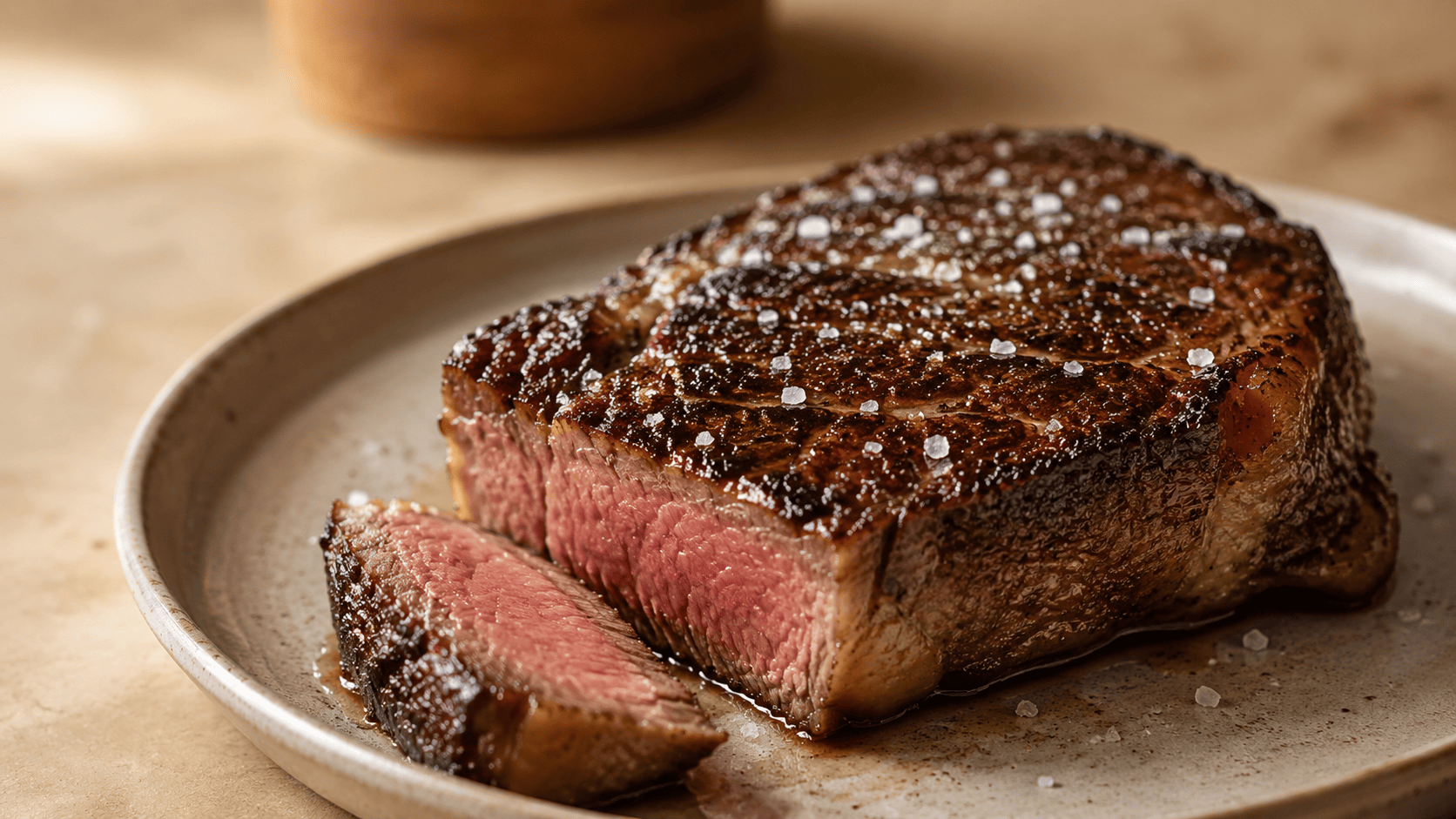
40-Minute Salted Steak
Salt does three completely different things depending on when you add it. Salt 40+ minutes before cooking and the dissolved proteins re-form into a gel that holds moisture inside. Salt right before and nothing happens. Salt 5 to 40 minutes before and it's drier than unsalted.
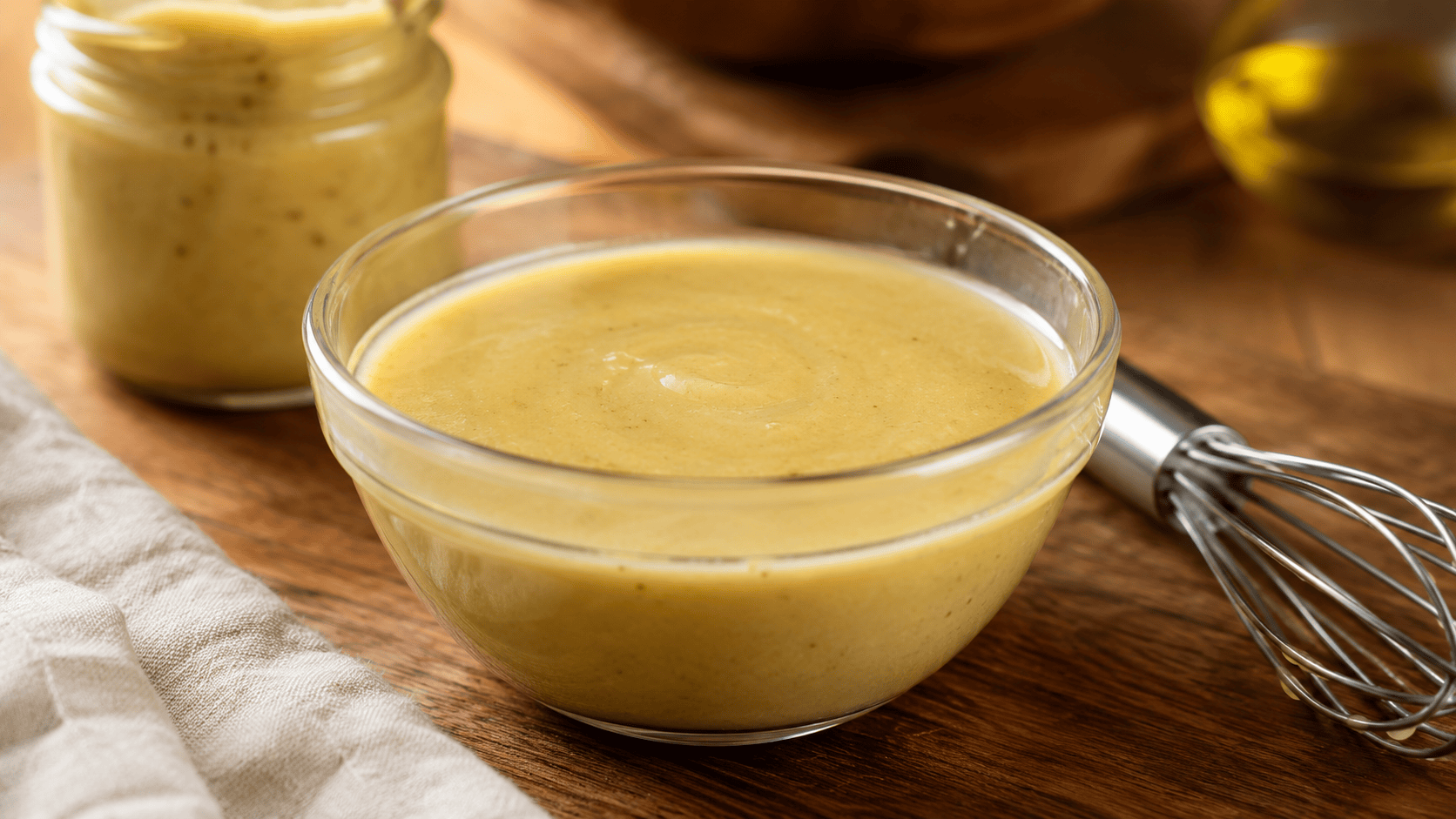
Shimmer-Test Vinaigrette
Oil and vinegar don't mix because oil is non-polar and vinegar is polar. An emulsifier like mustard bridges the gap. Add oil slowly to keep droplets small and the emulsion stable.
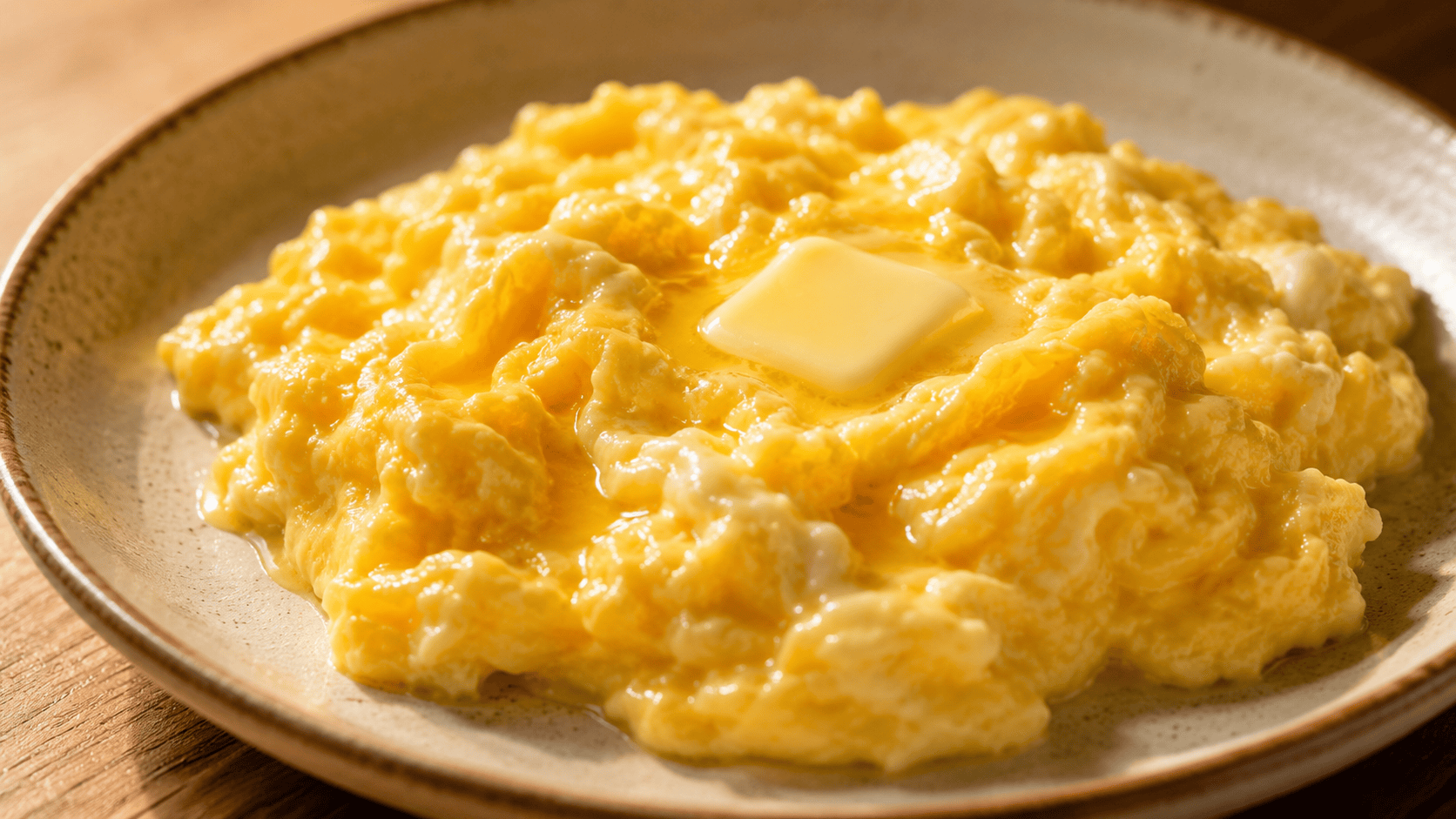
Soft-Scrambled Eggs
Egg proteins set at different temperatures. Ovotransferrin coagulates at 145°F for creamy texture. Ovalbumin sets at 180°F for rubber. Pull eggs when still glossy and slightly wet. Carryover cooking finishes them on the plate.