Principle Lab
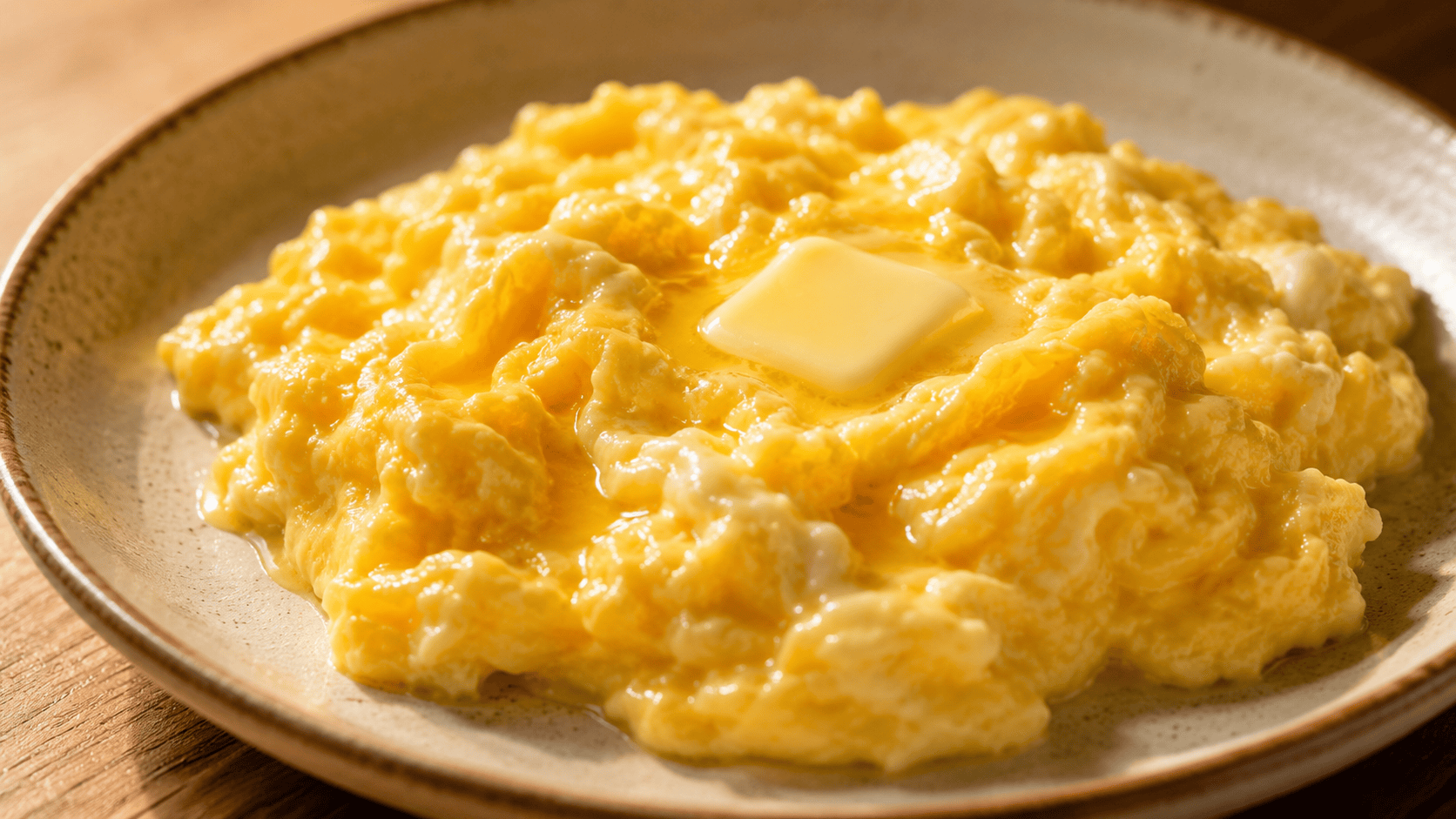
Soft-Scrambled Eggs
Jump to Recipe ↓The Principle
Egg proteins set at different temperatures. Ovotransferrin coagulates at 145°F for creamy texture. Ovalbumin sets at 180°F for rubber. Pull eggs when still glossy and slightly wet. Carryover cooking finishes them on the plate.
What You Need
Structure
- 2 large eggs
The Medium
- 1 tbsp butter
Flavor Support
- Pinch kosher salt (plus more for finishing)
- Fresh cracked black pepper
- 1 tsp creme fraiche or sour cream (optional. Stops carryover cooking and adds creaminess.)
Method
-
Whisk eggs with a pinch of salt until uniform, about 30 seconds. Let sit for 5 minutes if you have time.
WhySalt begins breaking down egg protein structure for a more tender result. Even a few minutes of contact with salt improves texture noticeably.
-
Melt butter in a nonstick pan over medium-low heat. Wait until the foaming subsides.
WhyButter foam is water boiling off. When the foam subsides, the butterfat is at cooking temperature and the water is gone. Water in the pan would steam the eggs instead of letting them set into curds.
-
Pour eggs in. Stir gently with a silicone spatula, scraping the bottom and folding continuously.
WhyConstant gentle motion creates small tender curds. Scraping the bottom prevents any one section from overcooking while the rest is still liquid. Low heat gives you time to react before hitting 180°F.
-
Pull the pan off the heat when the eggs are still glossy and wet-looking but distinct curds have formed. The eggs should look slightly underdone.
WhyThis is roughly 150 to 155°F. The residual heat in the eggs and pan will carry them to perfect doneness in the 10 seconds it takes to plate them. If they look fully cooked in the pan, they'll be dry on the plate.
-
Plate immediately. Add pepper, a final pinch of salt, and creme fraiche if using.
WhyCreme fraiche or sour cream does two things. It adds creaminess. And its cold temperature stops carryover cooking immediately, locking the eggs at the perfect texture.
What Can Go Wrong
Dry, rubbery eggs?
Pulled too late. The eggs hit 180°F and ovalbumin tightened.
Pull when eggs still look glossy and wet. They finish on the plate.
Watery pool on the plate?
Overcooked. Syneresis: the protein network squeezed out water.
Pull earlier. If there's liquid, the eggs went too far past 155°F.
Curds too small or grainy?
Stirred too aggressively, or the pan was too hot.
Gentle folding motions. Medium-low heat. Don't whisk in the pan.
The Science Behind This Recipe
Cook This Next
You used low heat. You stirred gently the whole time. You followed every tip from every brunch video you’ve ever watched. And your scrambled eggs still came out dry, with a watery puddle on the plate.
The problem isn’t your technique. It’s that egg proteins set at two different temperatures, and the difference between them is the difference between creamy and rubbery.
Egg whites contain ovotransferrin and ovalbumin. Ovotransferrin coagulates at roughly 145°F. This is where you want to be. The eggs are set but tender, the curds are soft, and the texture is almost custard-like. Ovalbumin doesn’t set until roughly 180°F. At that point the protein network tightens, squeezes out water, and turns your eggs into something you could bounce.
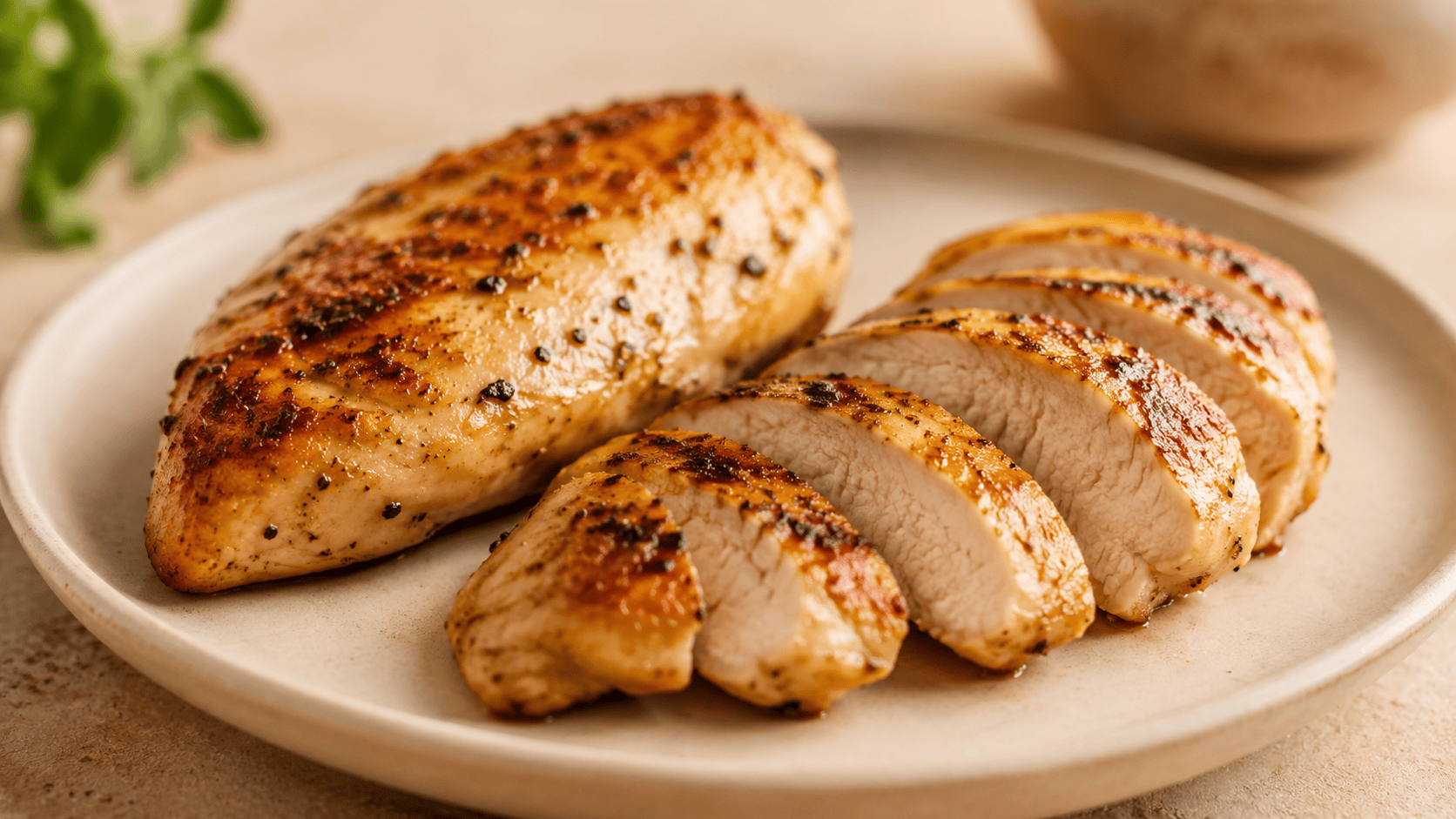
Carryover cooking works for eggs the same way it works for meat. The eggs keep cooking after they leave the pan. If you wait until they look fully done in the pan, carryover pushes them past 180°F on the plate. The fix is the same as the chicken breast recipe. Pull early. When the curds have formed but the eggs are still glossy and wet-looking, that’s the pull point.
Before You Start
Read Why Eggs Get Rubbery for the full breakdown on ovotransferrin, ovalbumin, and syneresis. That article explains exactly what’s happening to the proteins as the temperature climbs.
Read Why Resting Meat Works to understand carryover cooking. The same principle that finishes a steak on the plate finishes your eggs on the plate. Pull at 150°F. Serve at 160°F. Eat at the perfect moment.
Better cooking starts
with understanding.
One cooking problem at a time, explained clearly.
Follow @betterbitelab