Blog
The science of cooking, made simple. One cooking question at a time, explained clearly.
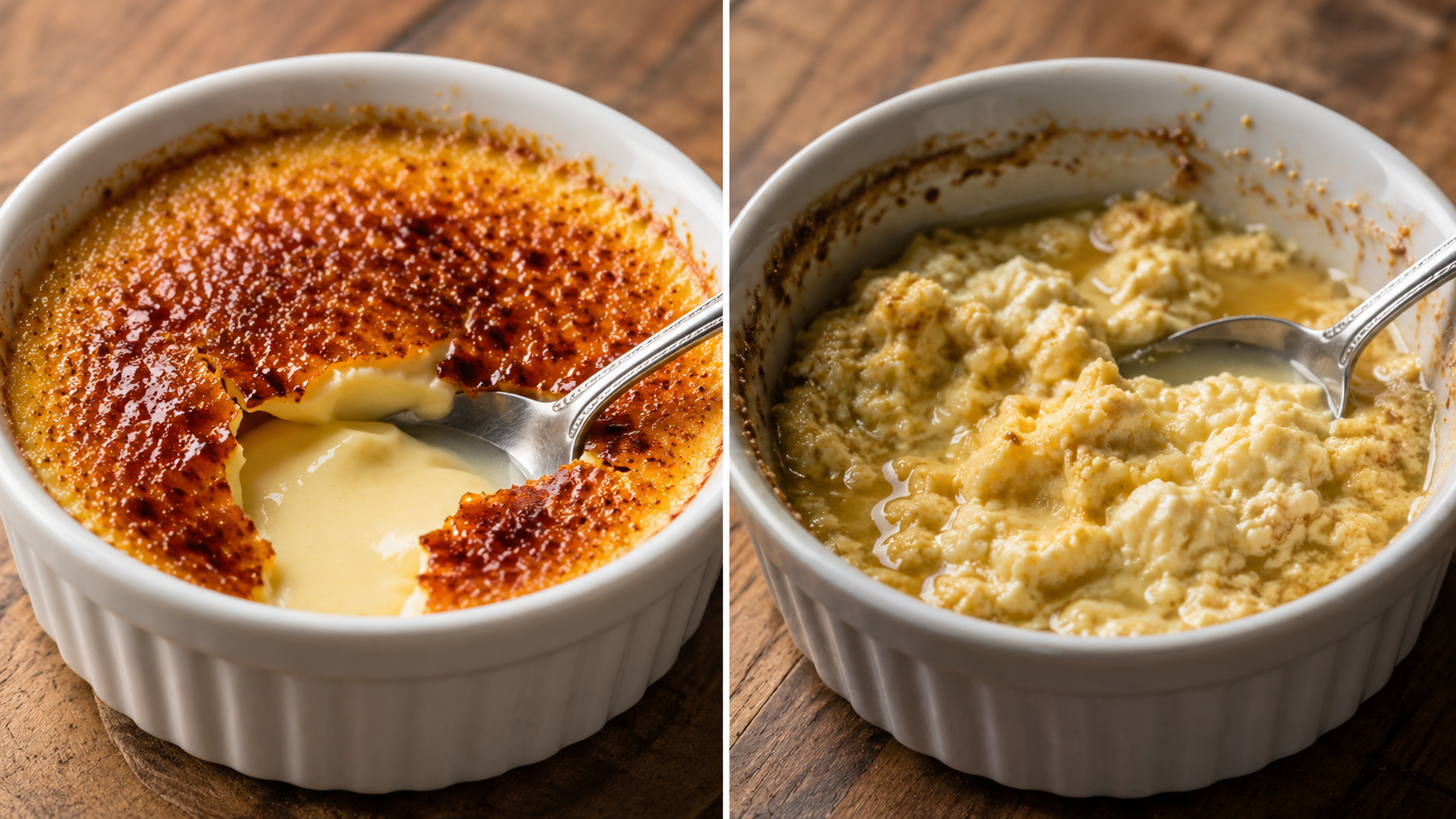
Why Your Custard Turned to Scrambled Eggs
You made crème brûlée. You followed the recipe. You pulled a dish of sweet scrambled eggs out of the oven. The problem isn't your oven. It's that you crossed a 15-degree line you didn't know existed.
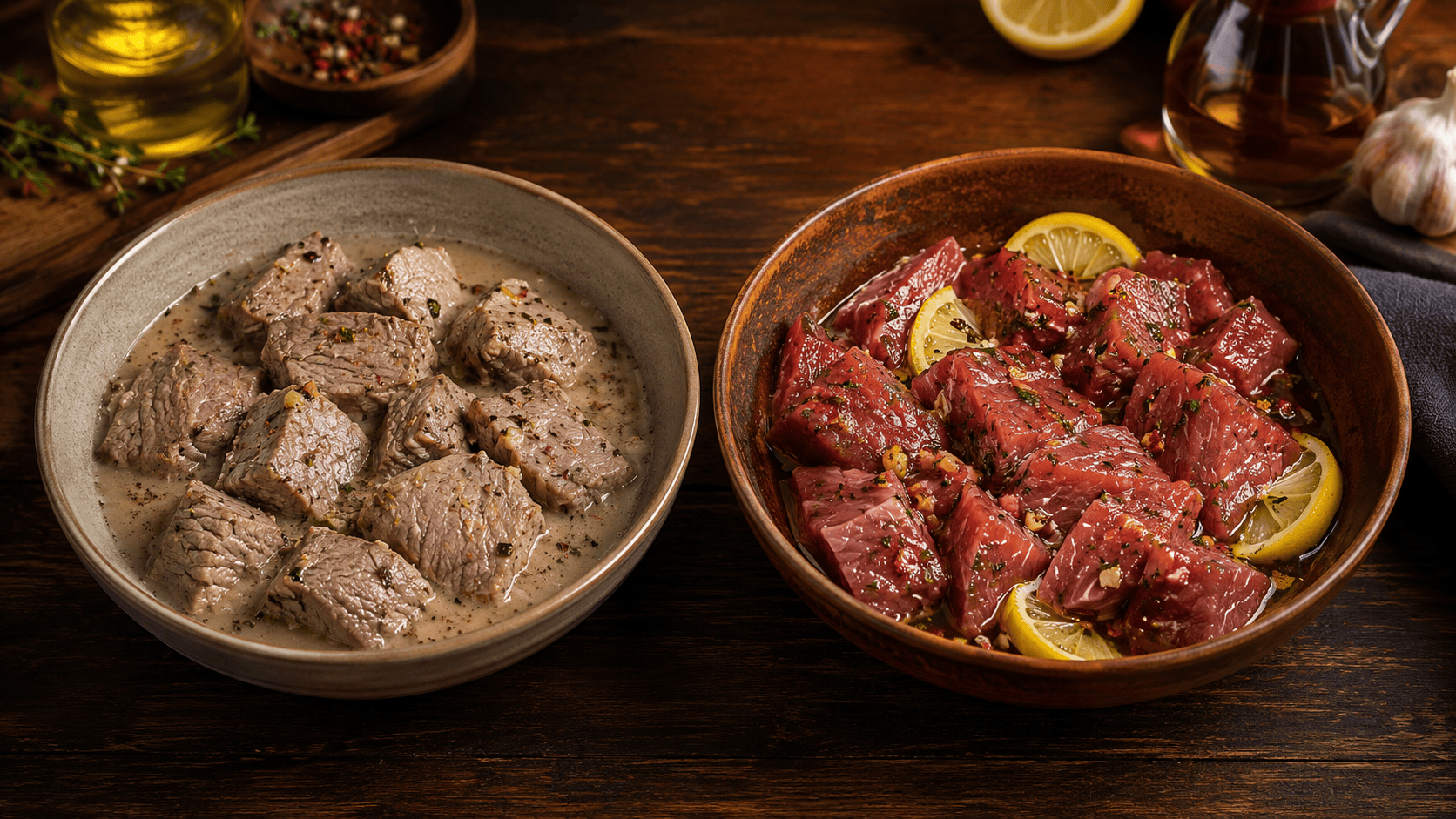
When to Add Acid: Timing Is Everything
You added vinegar to your braise at the start. Two hours later, the vegetables are still crunchy. Learn why acid timing matters more than acid quantity.
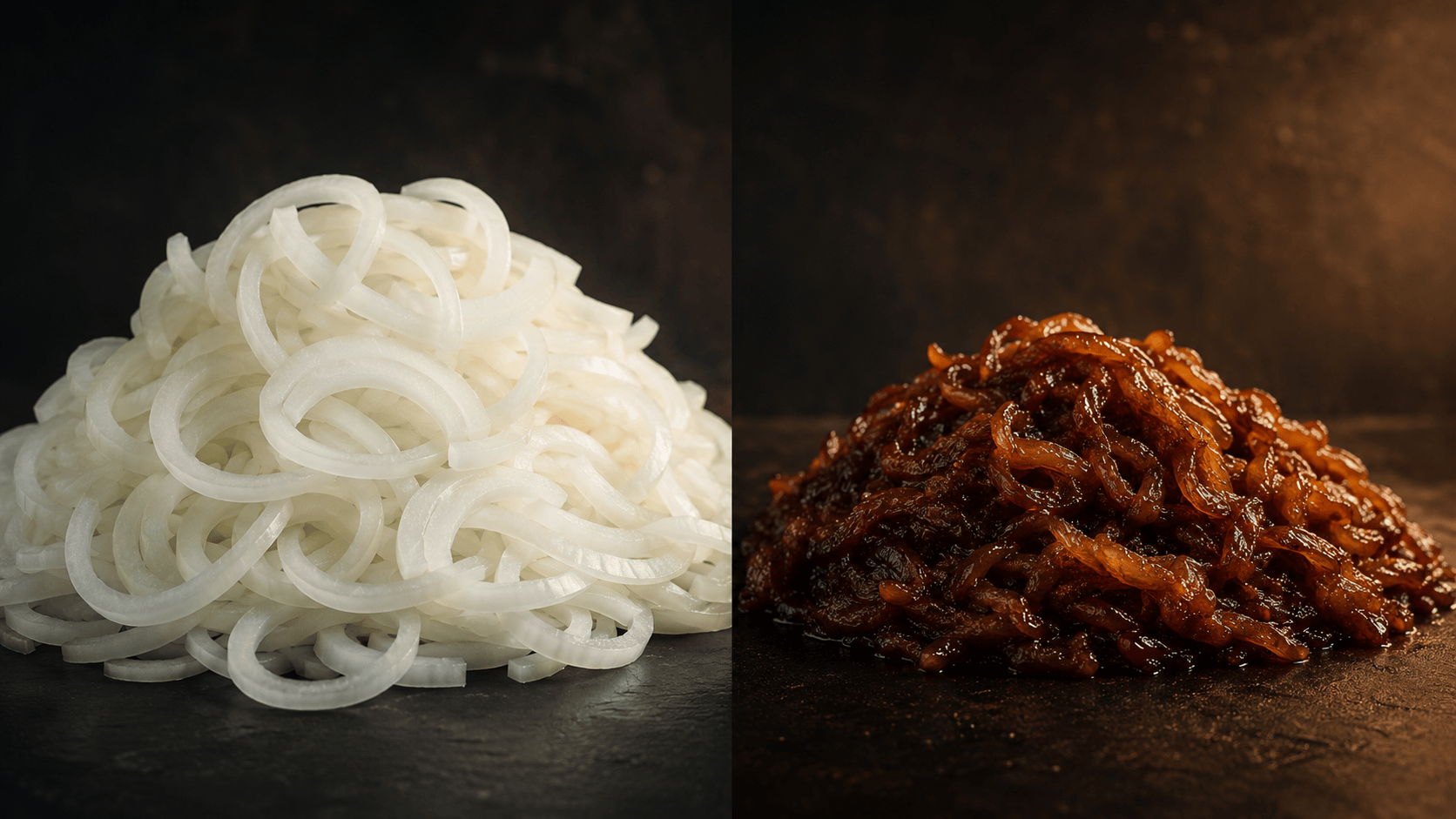
Why Caramelized Onions Take So Long: The Patience Principle
You cranked the heat to speed up caramelized onions. They burned in patches and stayed raw in others. Learn why low and slow is the only way.
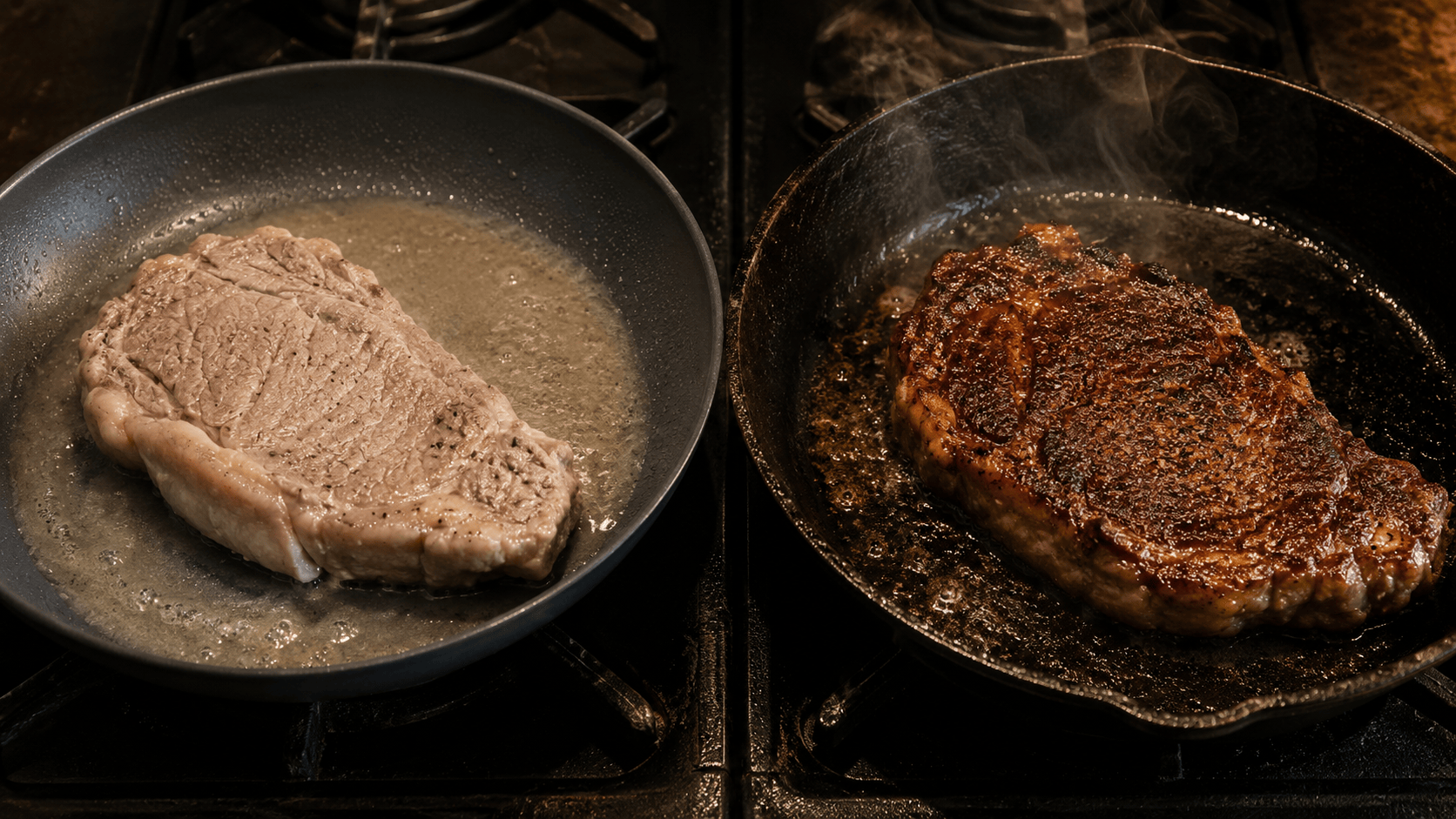
Cast Iron vs Nonstick Searing: What Actually Browns
You tried searing a steak in a nonstick pan. It came out gray. Learn why the pan material matters more than the heat setting.
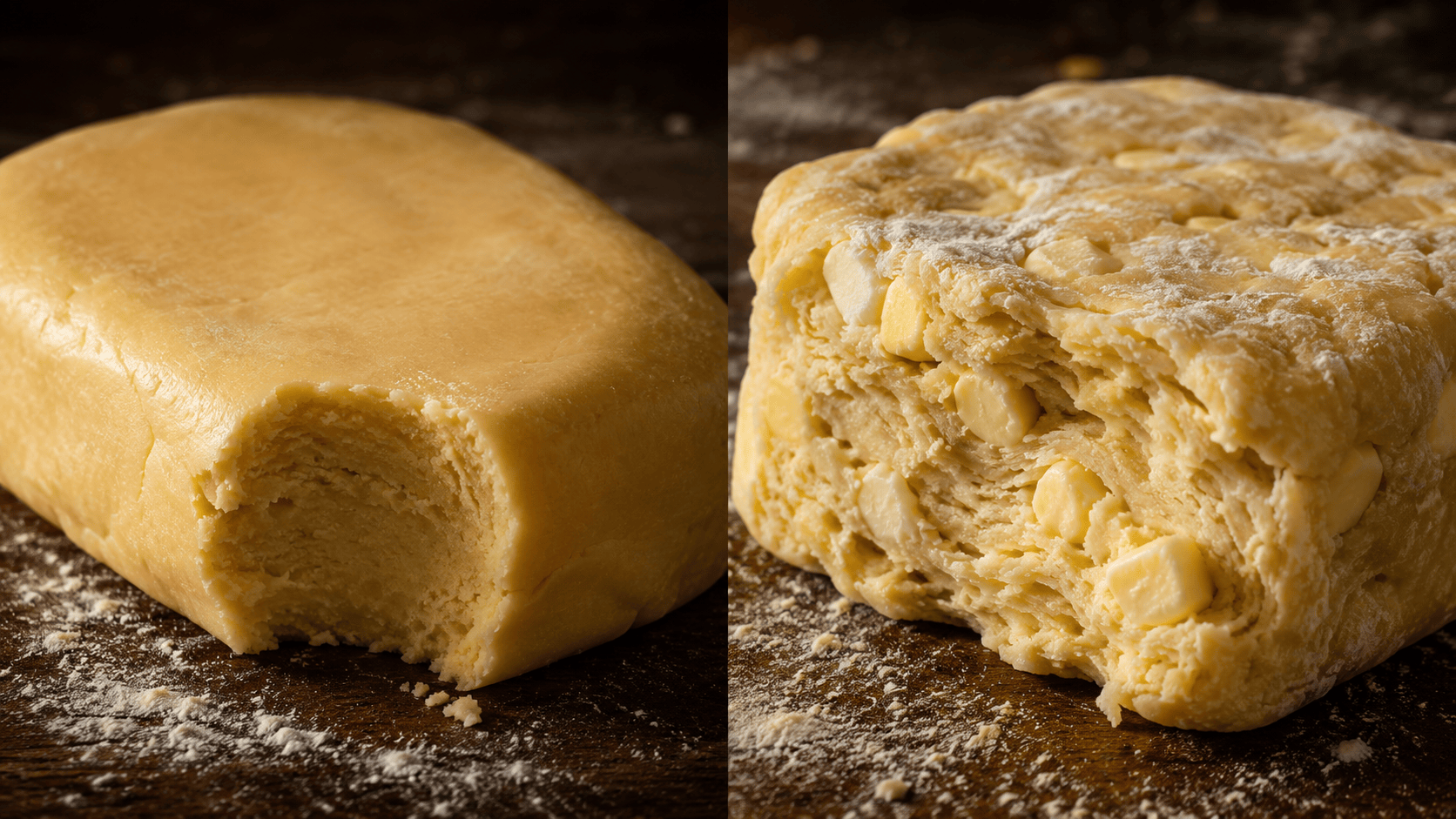
Why Cold Butter Makes Flaky Pastry: The Steam Pocket Principle
Your pie crust came out dense and greasy instead of light and flaky. The butter was the right temperature when you started. Learn why keeping it cold is everything.
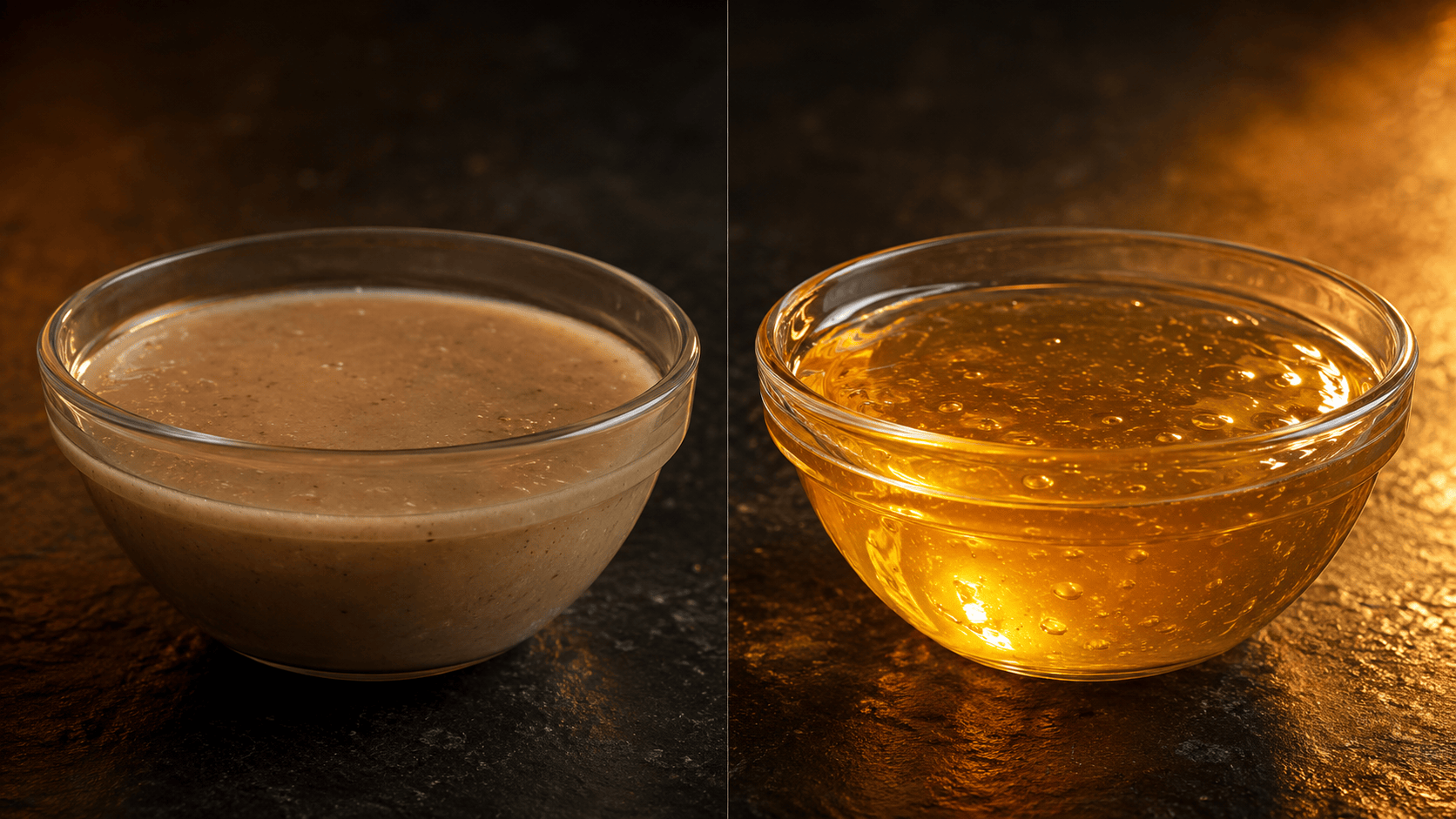
Cornstarch vs Flour: Which Thickener When
You thickened your sauce with flour and it came out cloudy and pasty. Next time you used cornstarch and it turned to gel. Learn the difference so you never guess again.
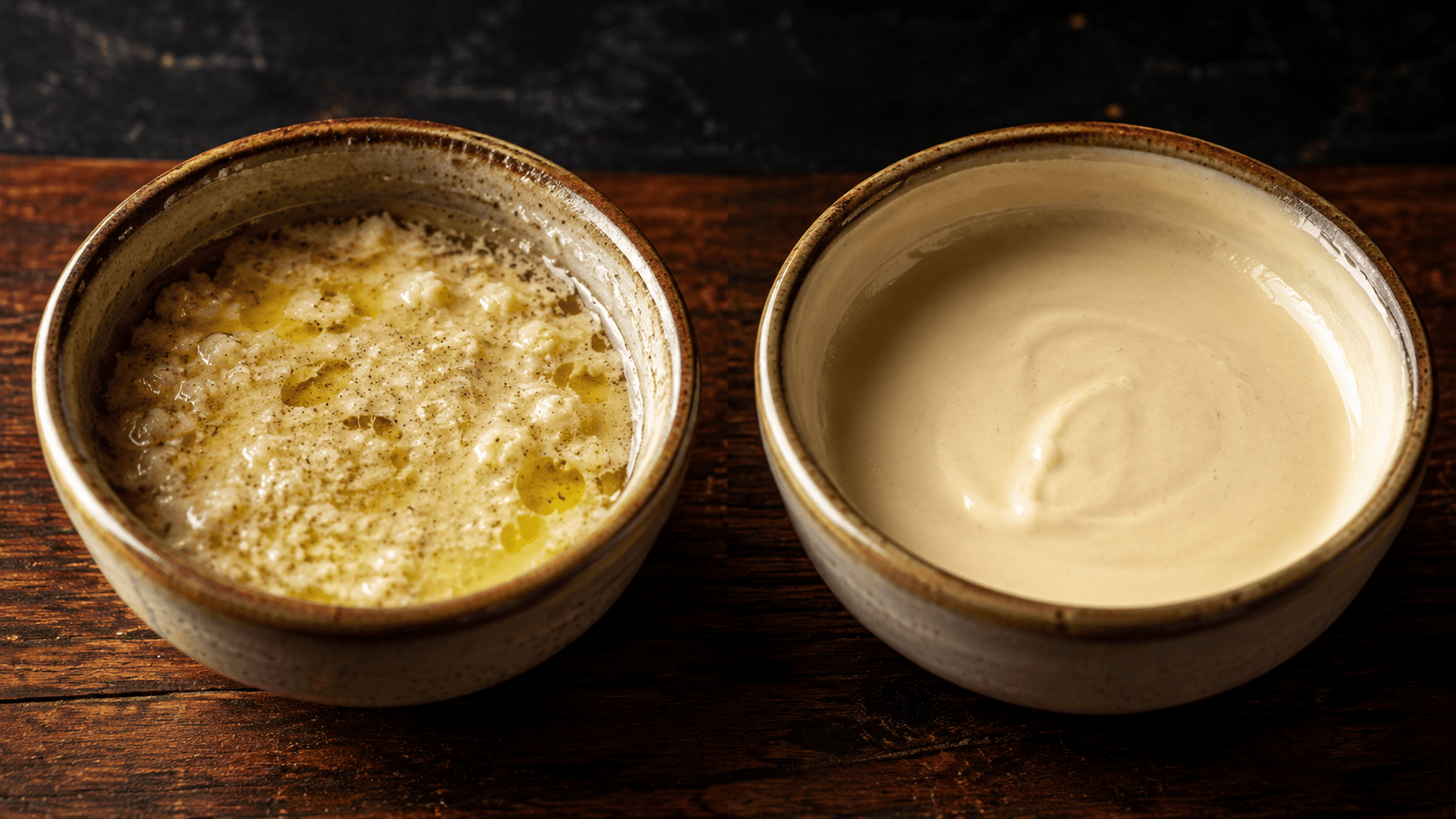
Why Cream Sauces Break: The Emulsion Stability Principle
Your cream sauce was silky and smooth. You turned away for thirty seconds and it separated into an oily puddle and curdled solids. Learn what broke it and how to fix it.
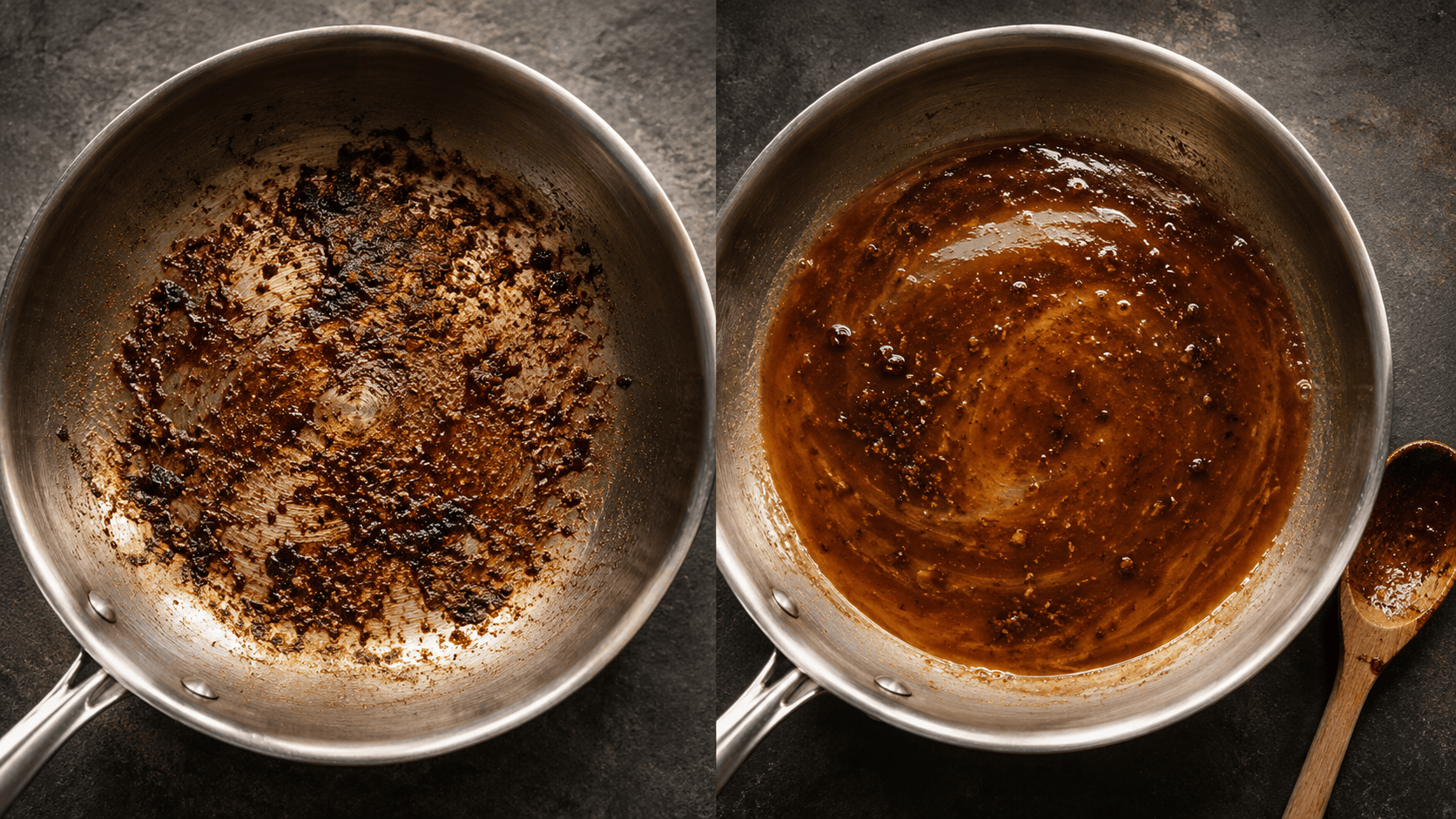
Why Deglazing Works: The Fond Principle
You seared meat in a pan and left brown bits stuck to the bottom. Then you washed them down the drain. Learn what those bits actually are and why they're the best thing in your kitchen.
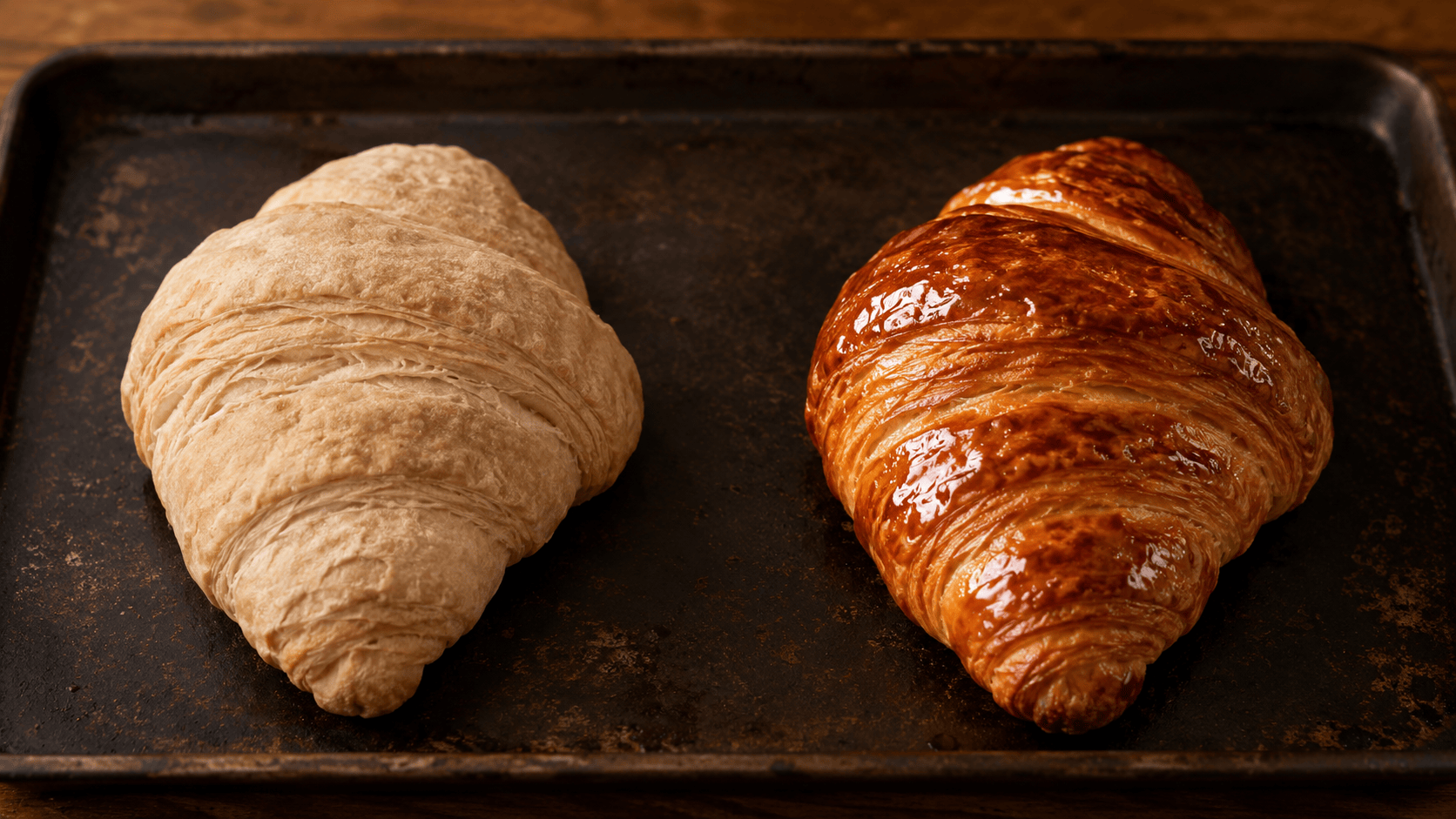
Why Egg Wash Works: The Golden Brown Principle
You brushed egg wash on your pastry and got a patchy, pale finish instead of the deep golden brown you wanted. Learn what egg wash actually does and how to get it right.
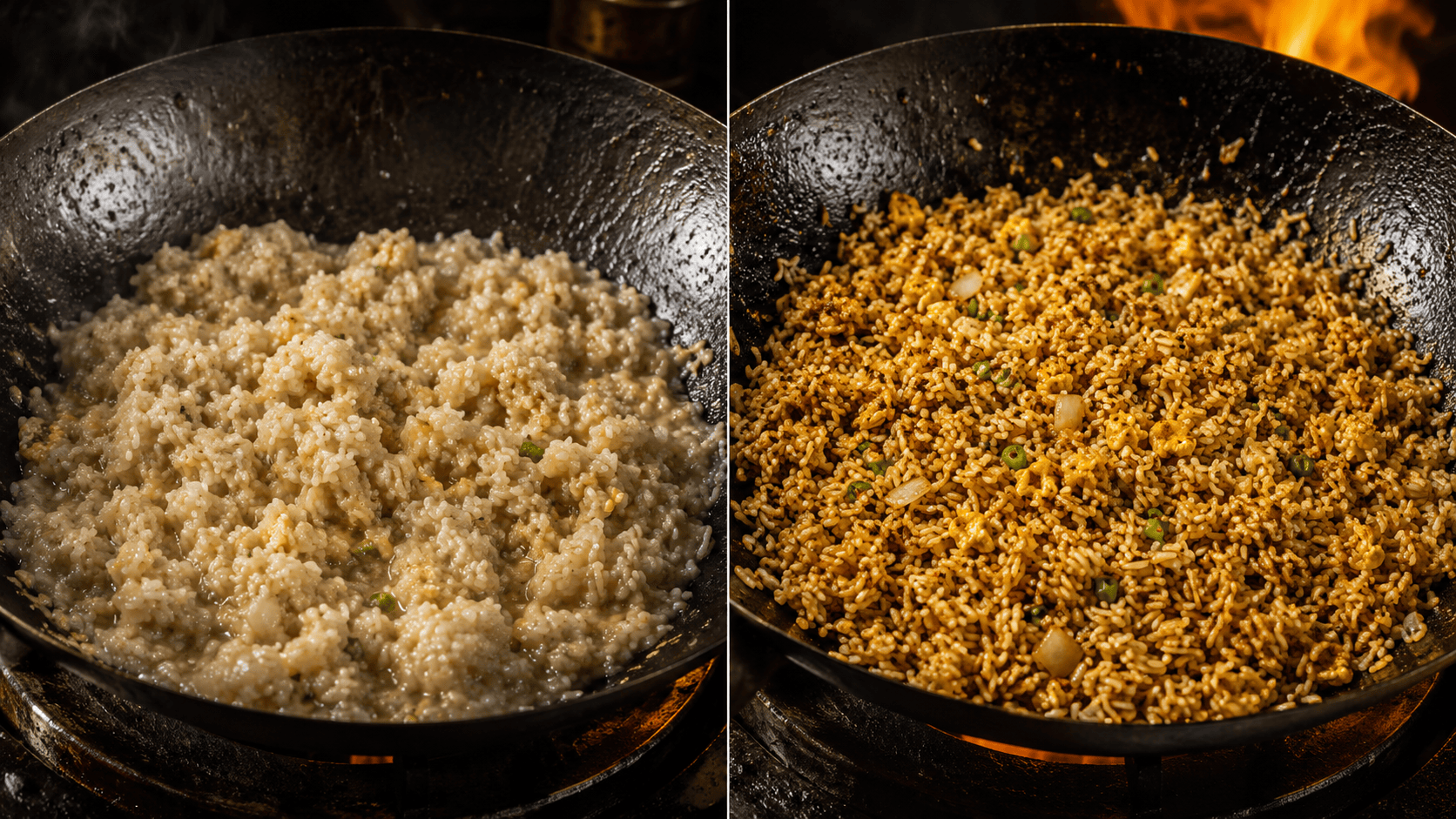
The Science of Perfect Fried Rice: Starch Retrogradation
You used fresh rice for fried rice. It turned into a sticky, clumpy mess. Learn why day-old rice is non-negotiable and what's happening to the starch overnight.
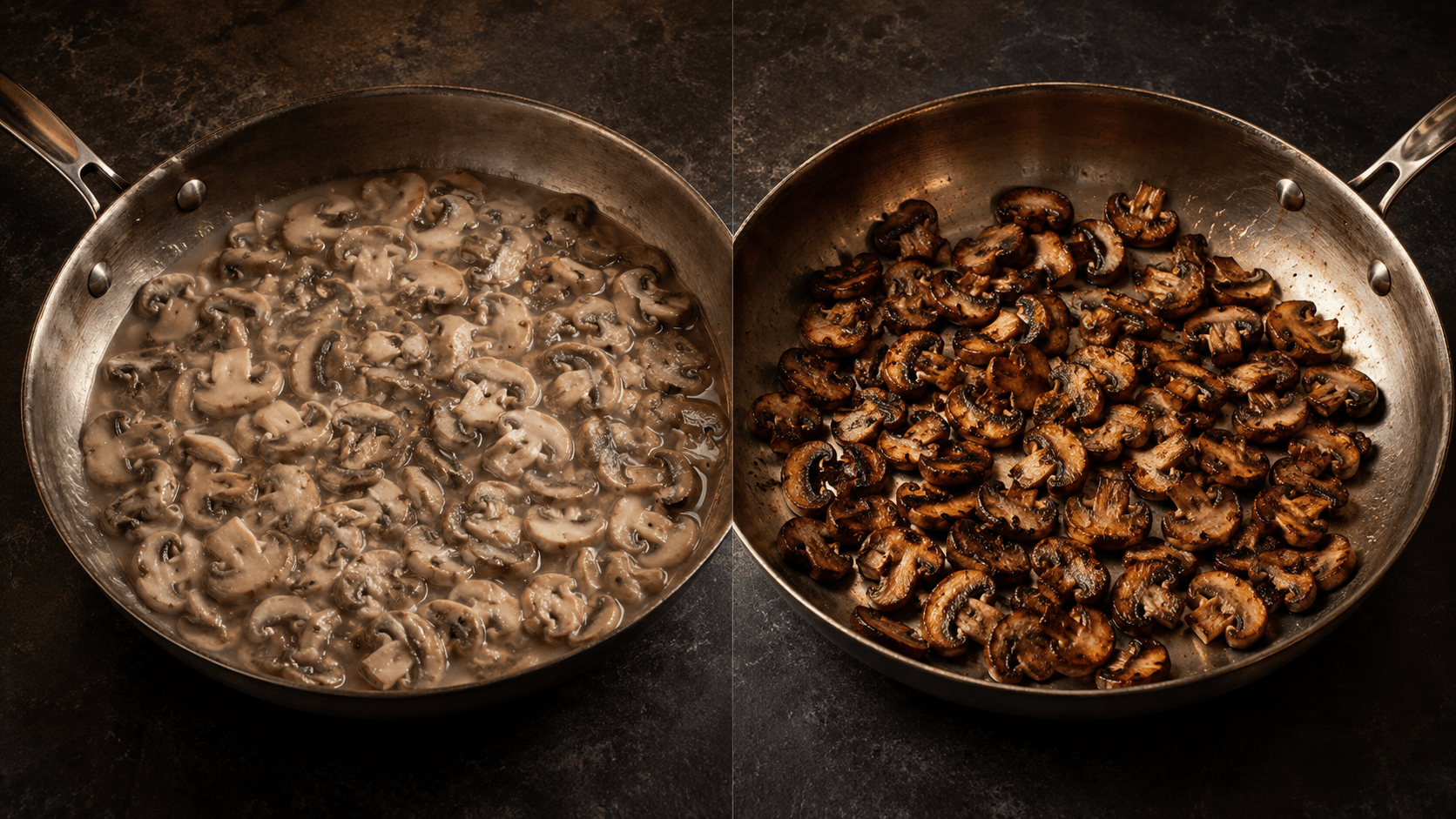
Why Mushrooms Release Water: The Cell Structure Principle
You put mushrooms in a hot pan with oil and they immediately flooded it with water. Ten minutes later they were boiling, not browning. Learn what's inside a mushroom and how to cook around it.
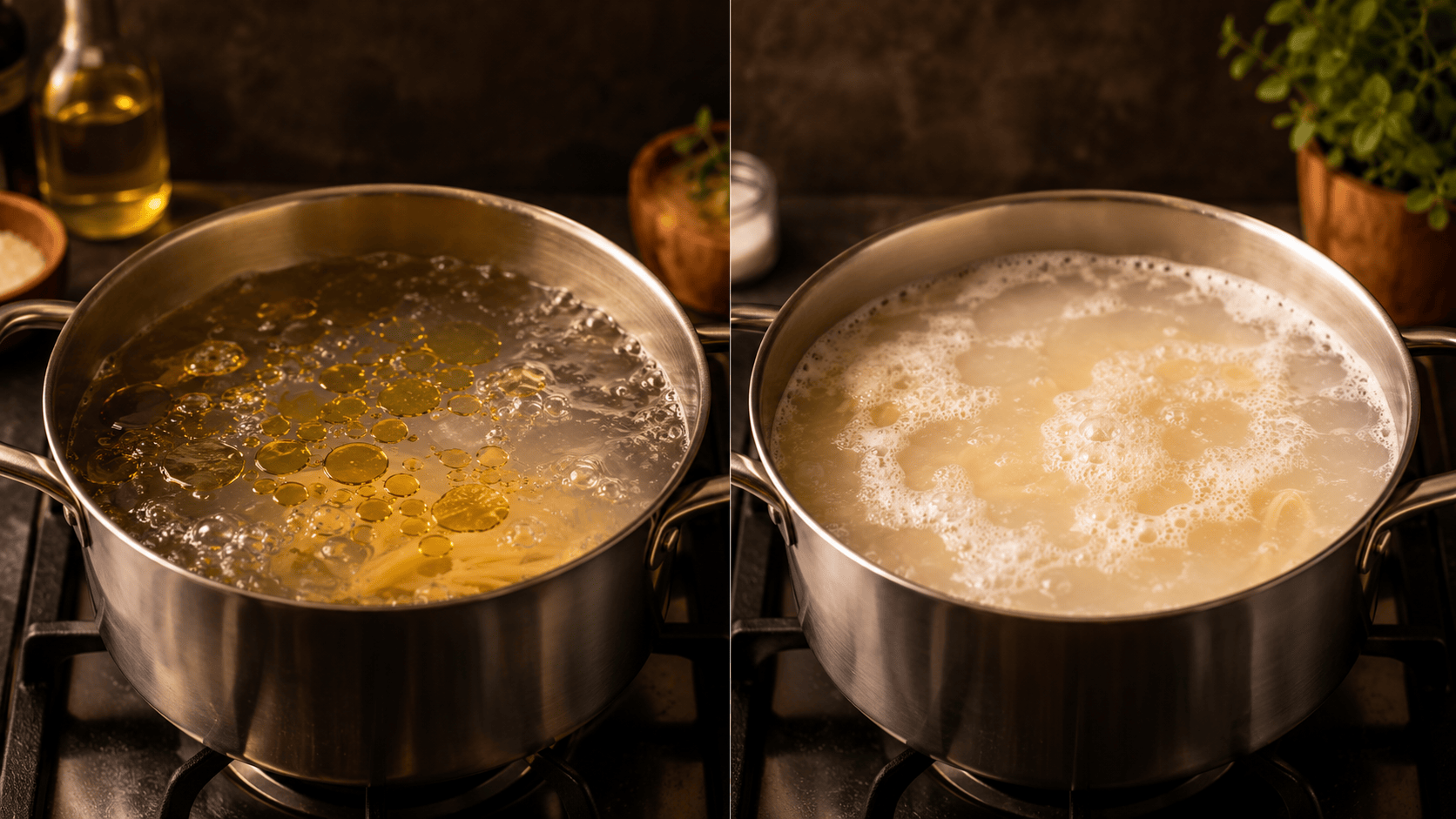
Why Pasta Water Is Liquid Gold: The Starch Emulsifier Principle
You've been dumping pasta water down the drain your whole life. That cloudy water is the difference between a sauce that coats the pasta and one that pools at the bottom of the bowl.
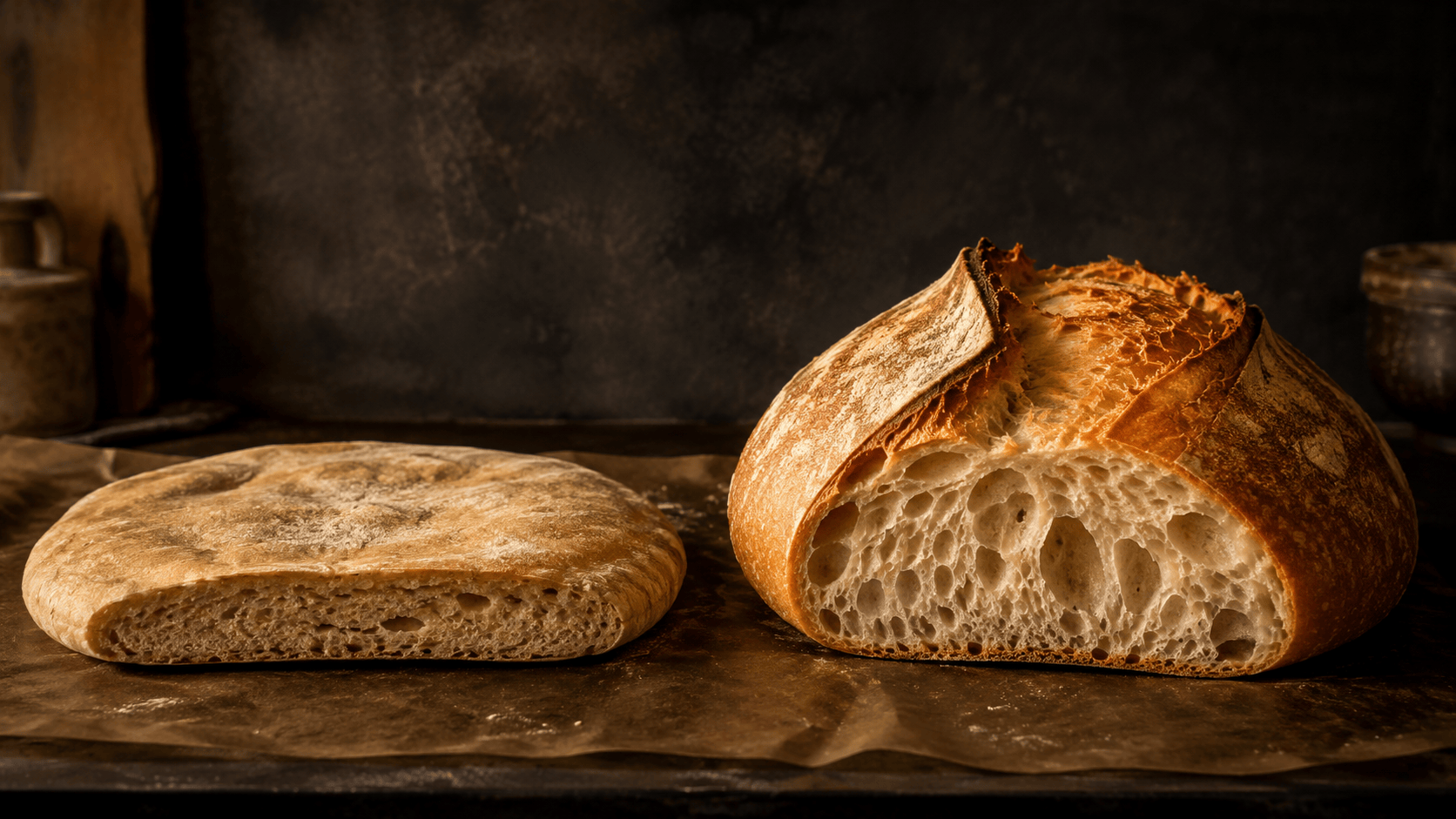
What Happens When Dough Overproofs: The Gluten Collapse
You let your dough rise while you ran errands. When you came back it had doubled, then tripled, then collapsed into a deflated puddle. Learn what overproofing does and how to spot it before it's too late.
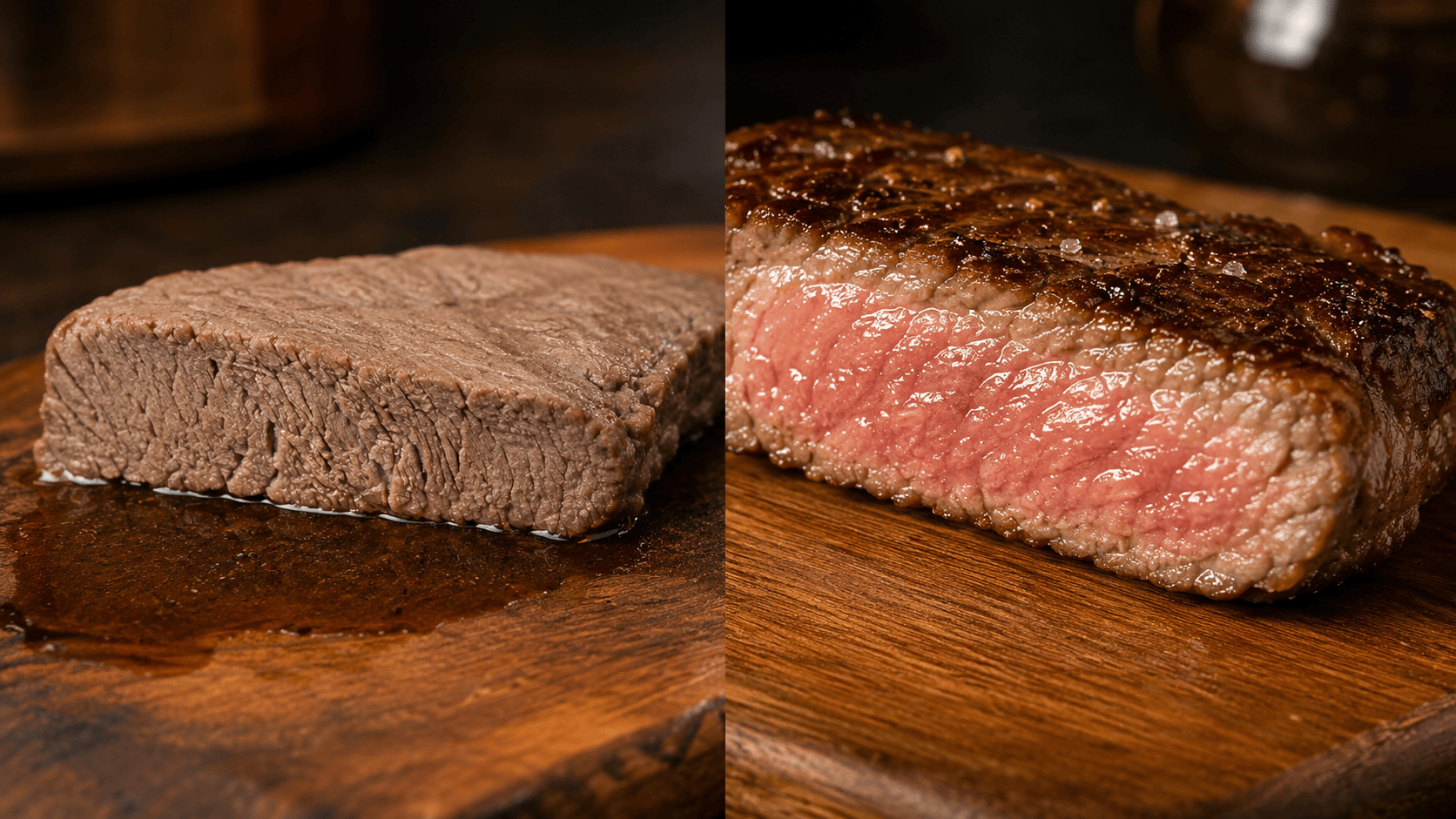
How Salt Actually Keeps Meat Juicy: The Protein Restructuring Principle
You heard salt dries meat out. Then someone told you salt keeps it juicy. Both can't be true. Learn what salt really does to meat protein and why timing changes everything.
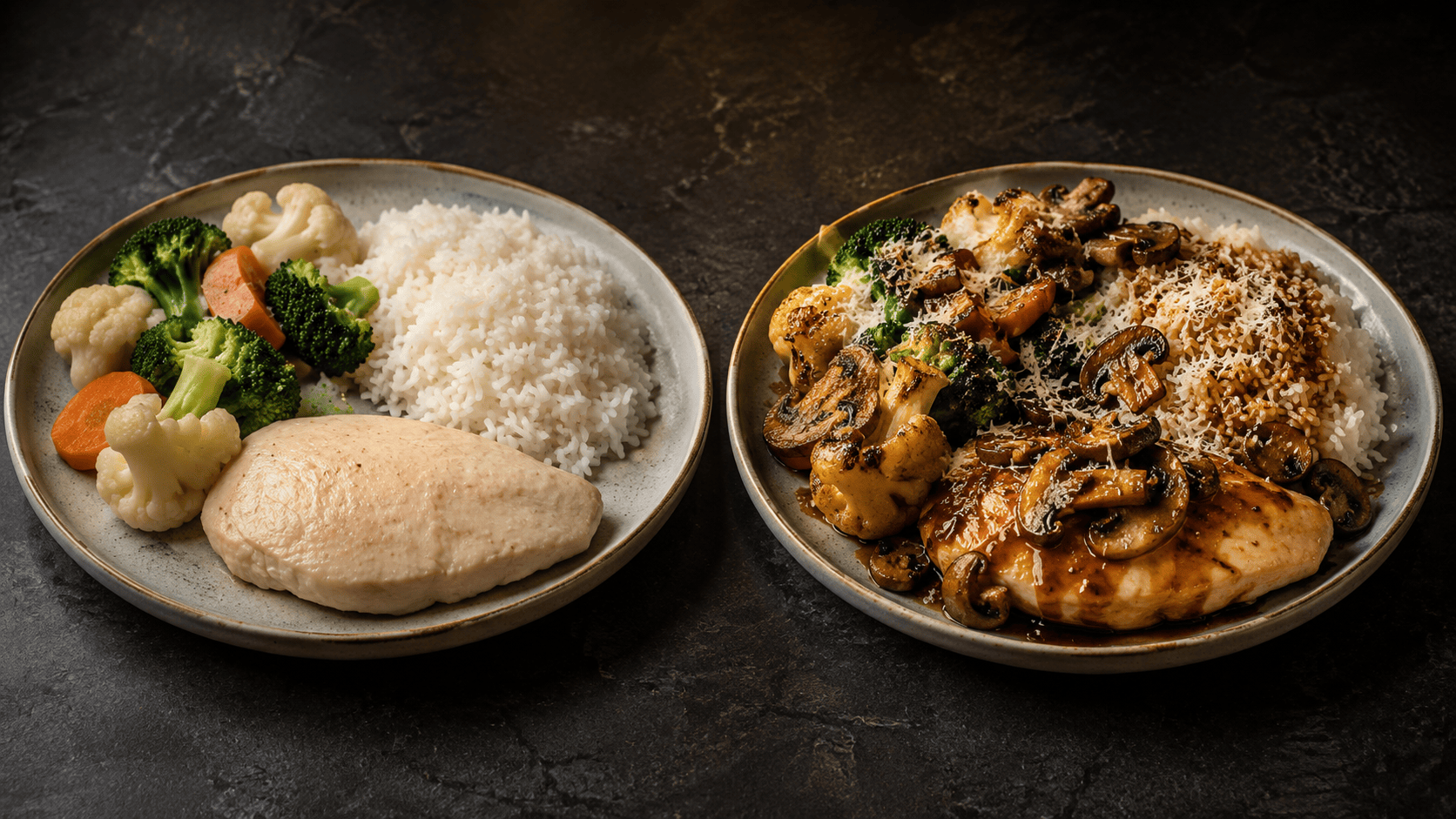
What Umami Actually Is: The Fifth Taste Explained
You know umami makes food taste better. But you don't know why — or how to use it. Learn the science of glutamate, inosinate, and why some foods make everything taste more complete.
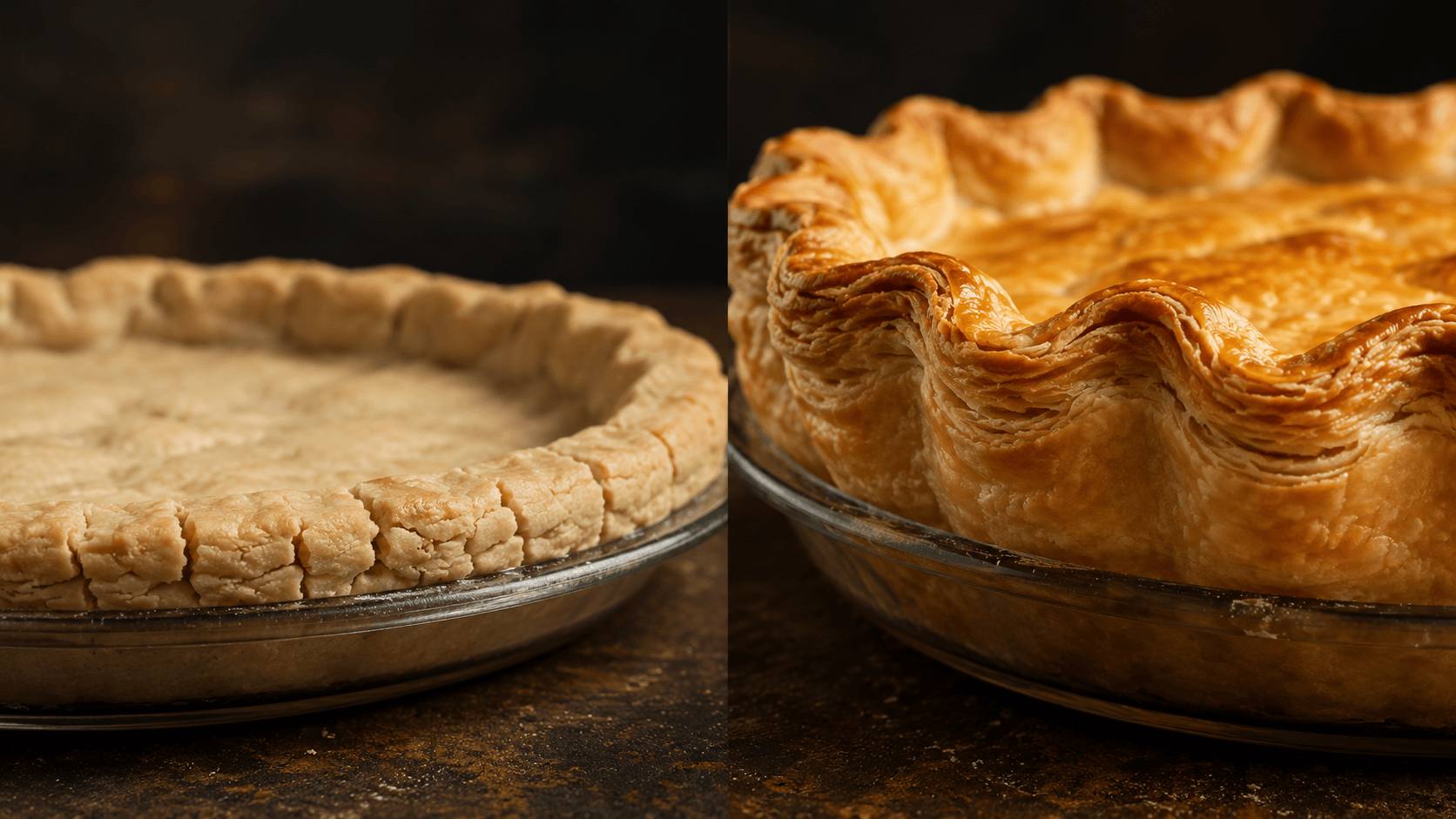
Why Vinegar Makes Tender Pie Crust: The Acid-Gluten Principle
Your grandmother's pie crust recipe calls for a tablespoon of vinegar. It sounds like a mistake. It's not. Learn how acid inhibits gluten and why vinegar makes flaky, tender crust.
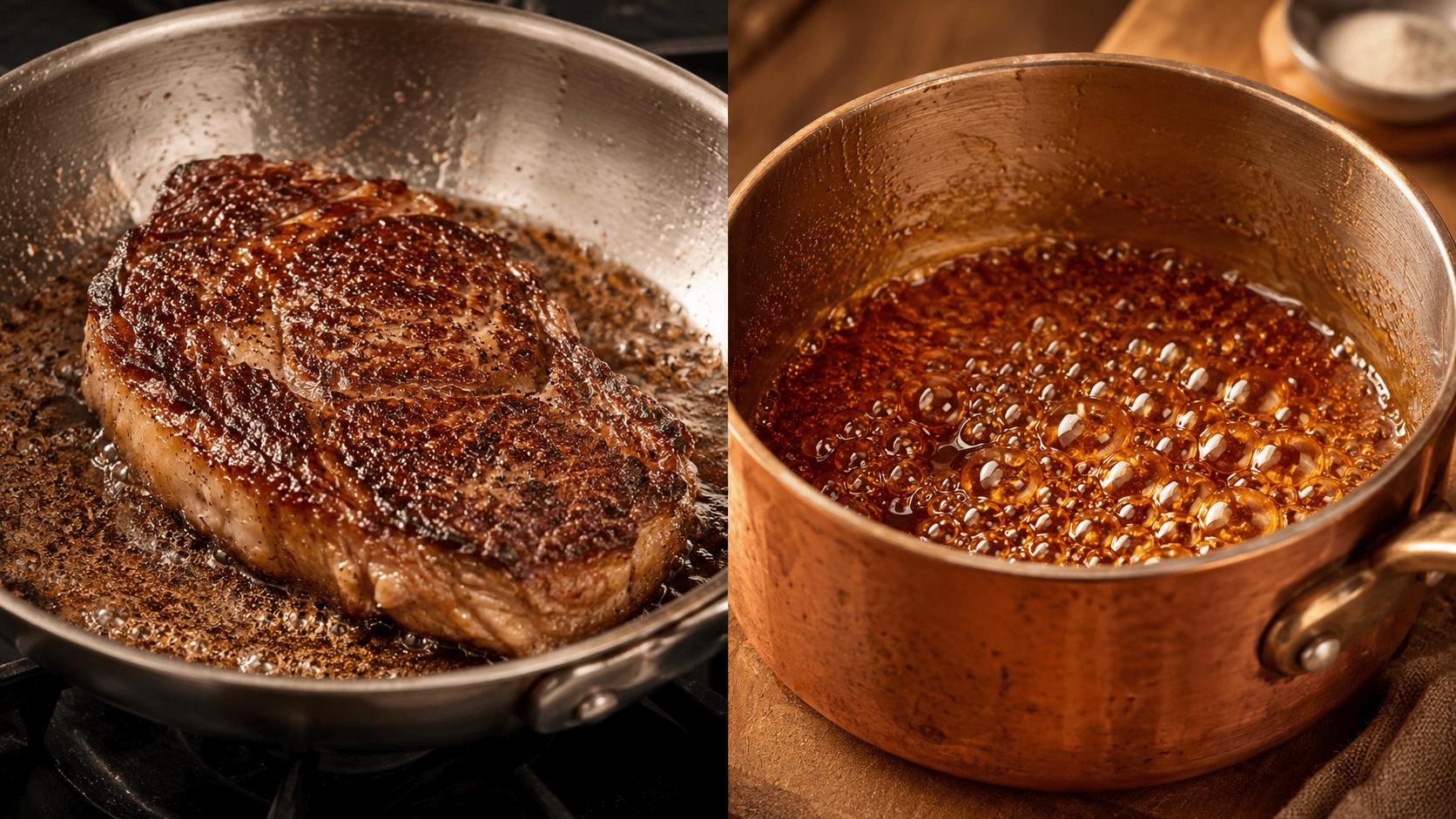
Maillard vs Caramelization (They're Not the Same Thing)
You've heard brown food tastes better. You've heard the word Maillard. But the brown on your steak and the brown on your onions come from different reactions. Learn the difference.
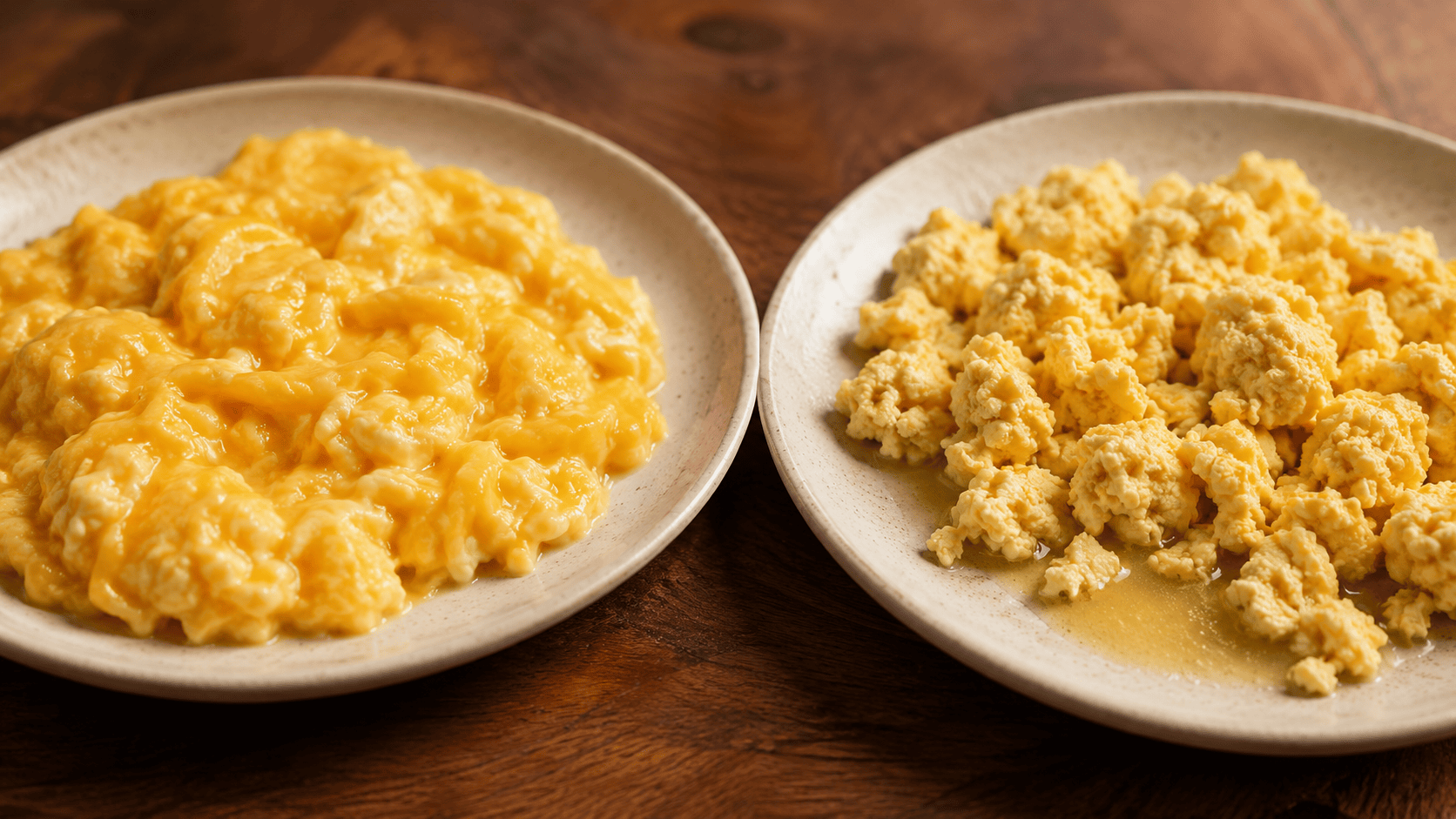
Why Eggs Get Rubbery (It's Not That You Cooked Them Too Long)
You cooked your scrambled eggs on low heat. You stirred constantly. They still came out dry and rubbery. Learn the protein coagulation principle and pull at the right temperature.
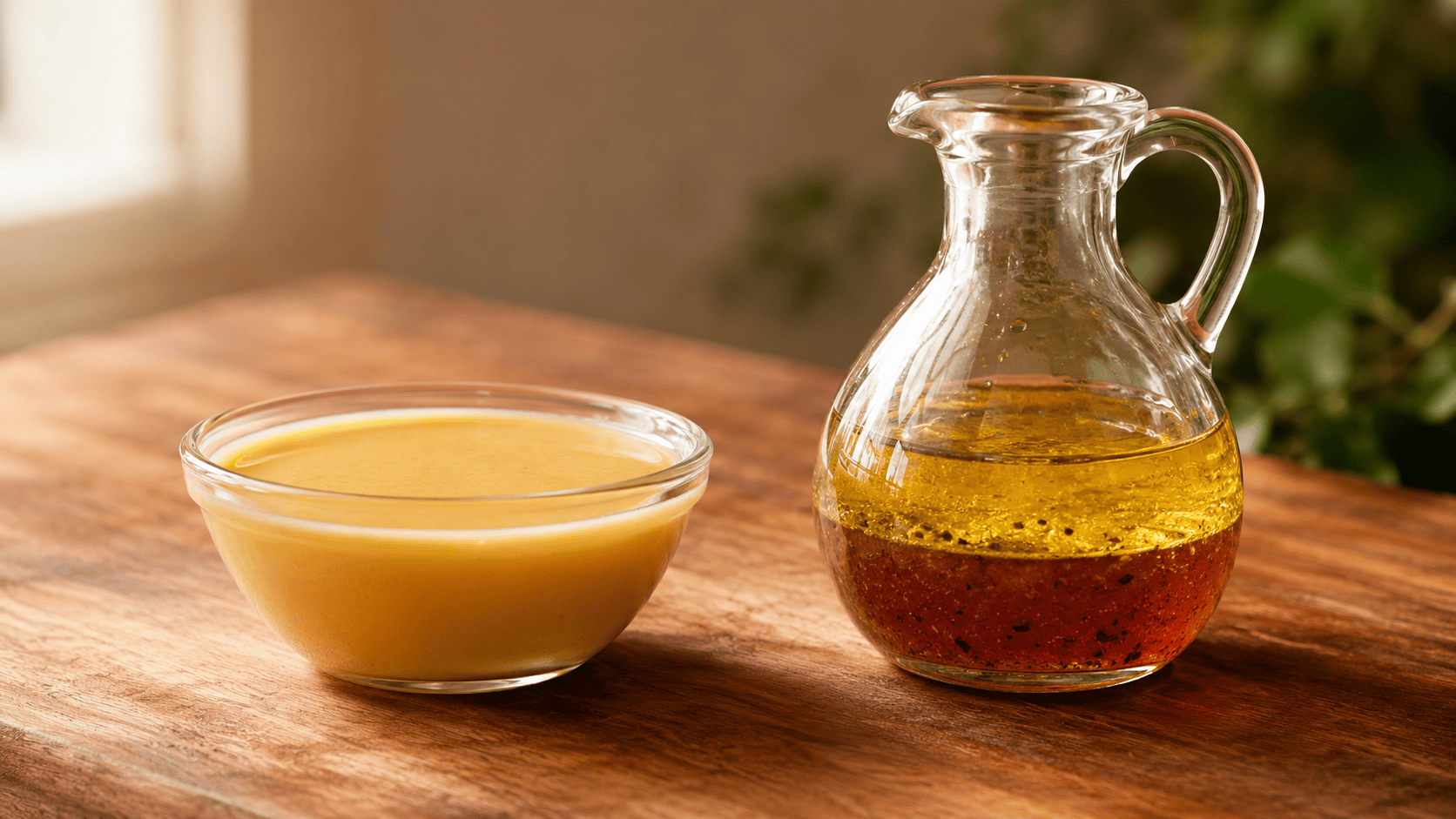
Why Vinaigrettes Break (And Why Mustard Fixes Them)
You whisked oil and vinegar together. It looked beautiful for 30 seconds. Then it separated. Learn the emulsion principle and fix your dressing forever.
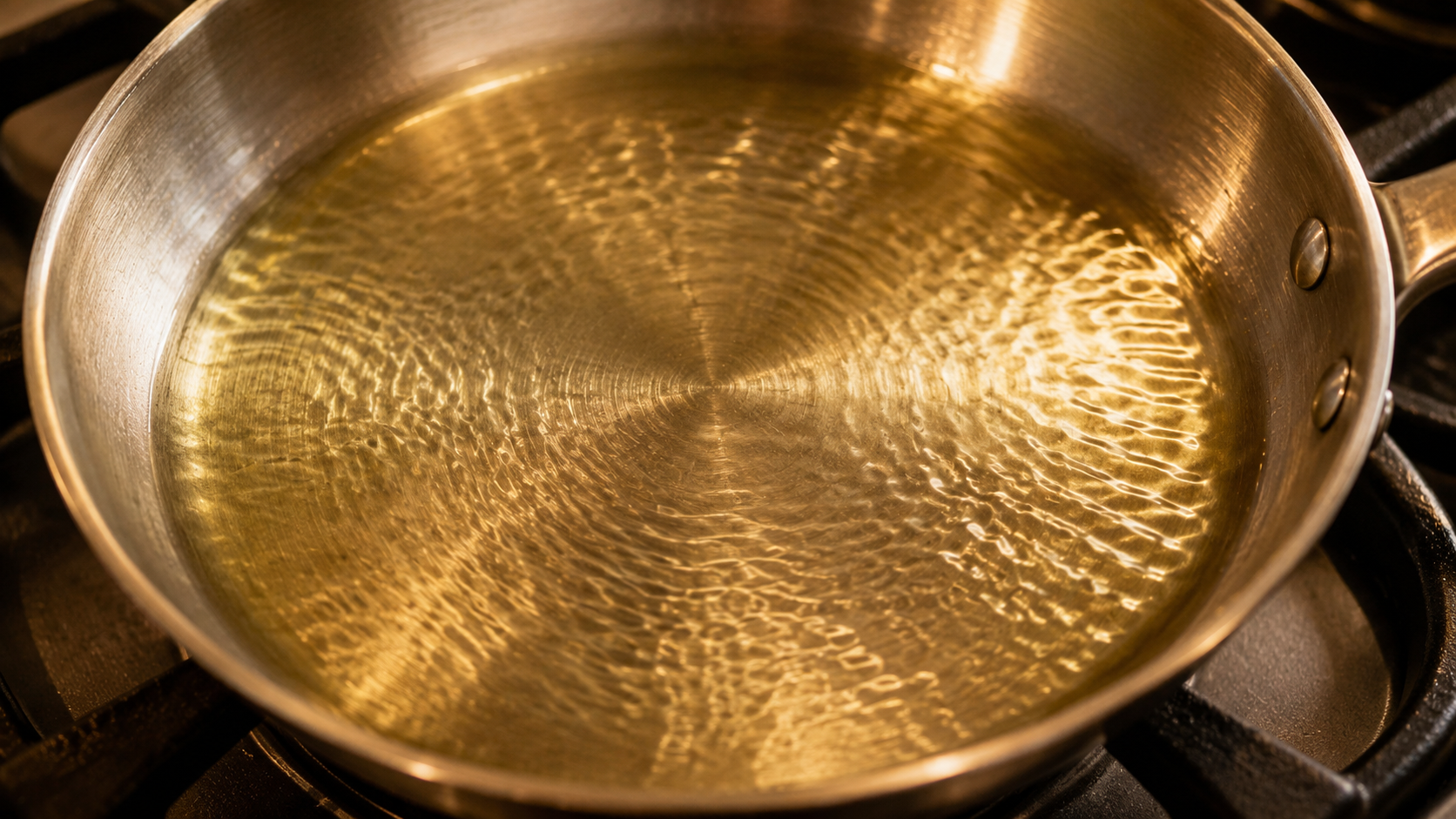
Why Oil Shimmers Before It Smokes (Your Pan's Best Signal)
You're staring at your pan waiting for the oil to do something. Smoke is too late. The shimmer is your signal. Learn what it means, when it happens, and why it matters.
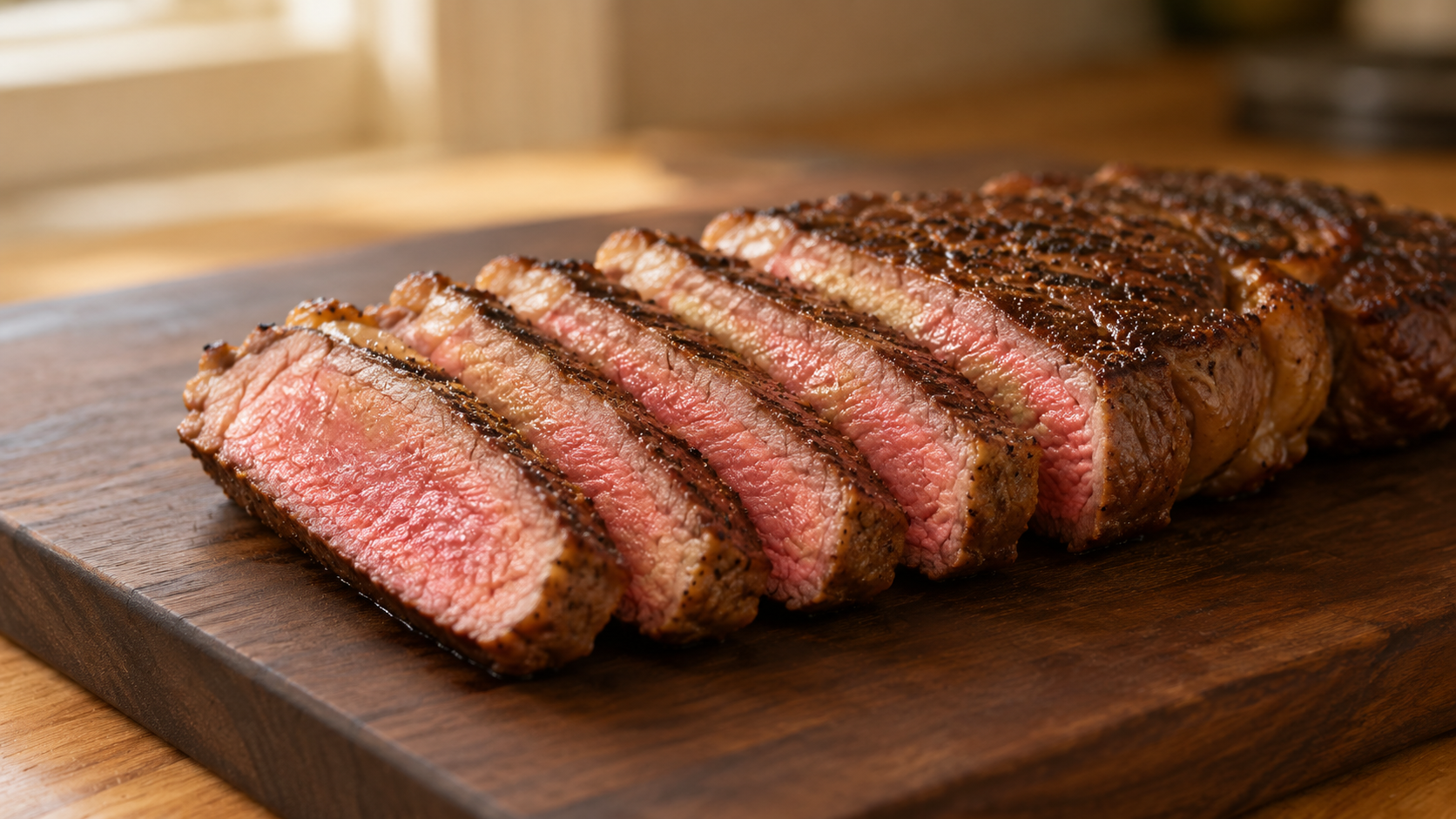
Why Resting Meat Works (It's Not About Cooling Down)
You think resting meat lets it cool off. That's backwards. Learn what actually happens when you let meat rest, why cutting early ruins juiciness, and how long to wait for steak, chicken, and roasts.
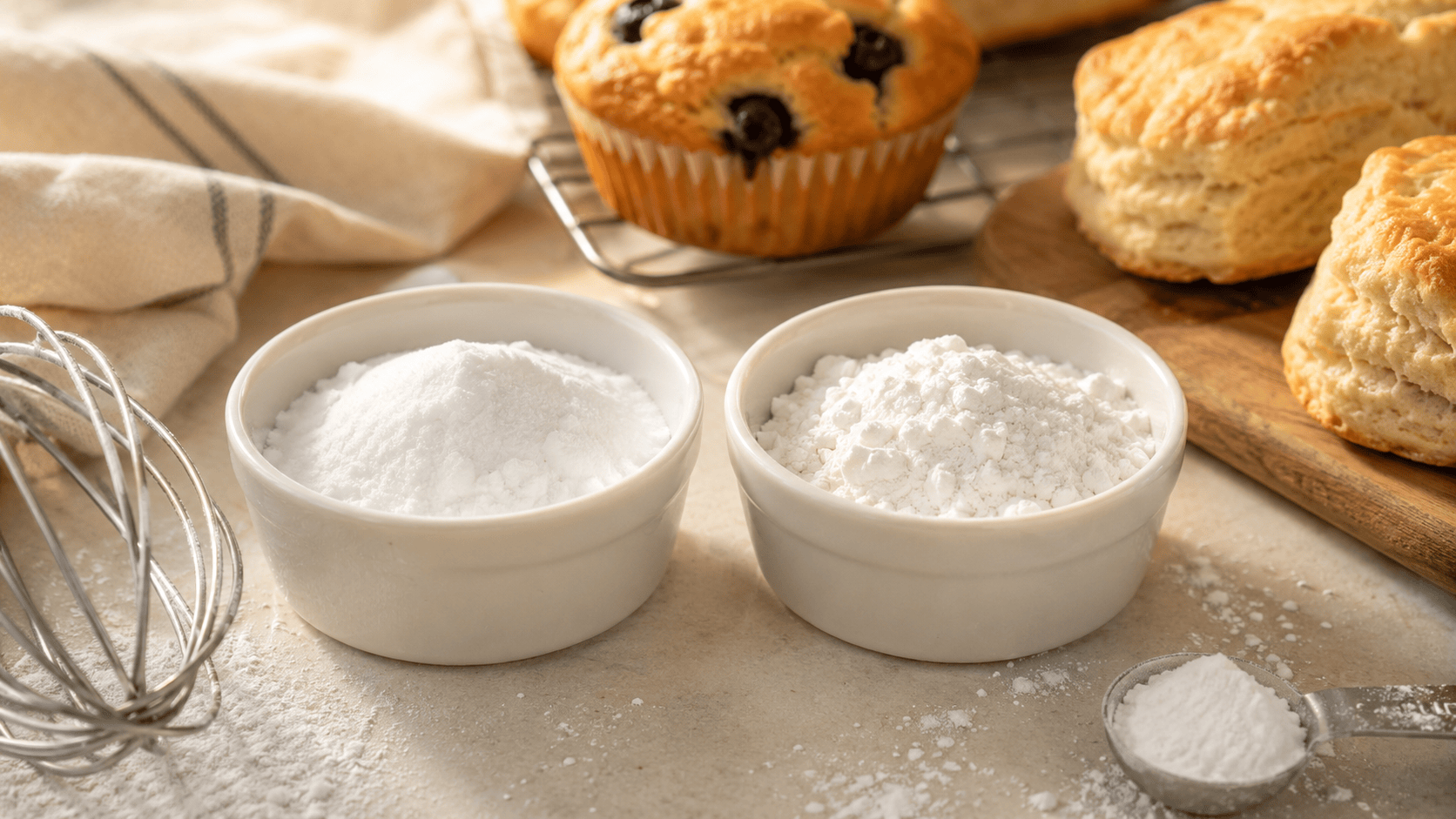
Baking Soda vs Baking Powder: They're Not the Same Thing
You swapped one for the other. Your cake came out flat with a weird metallic taste. Here's how they actually work and when to use each.
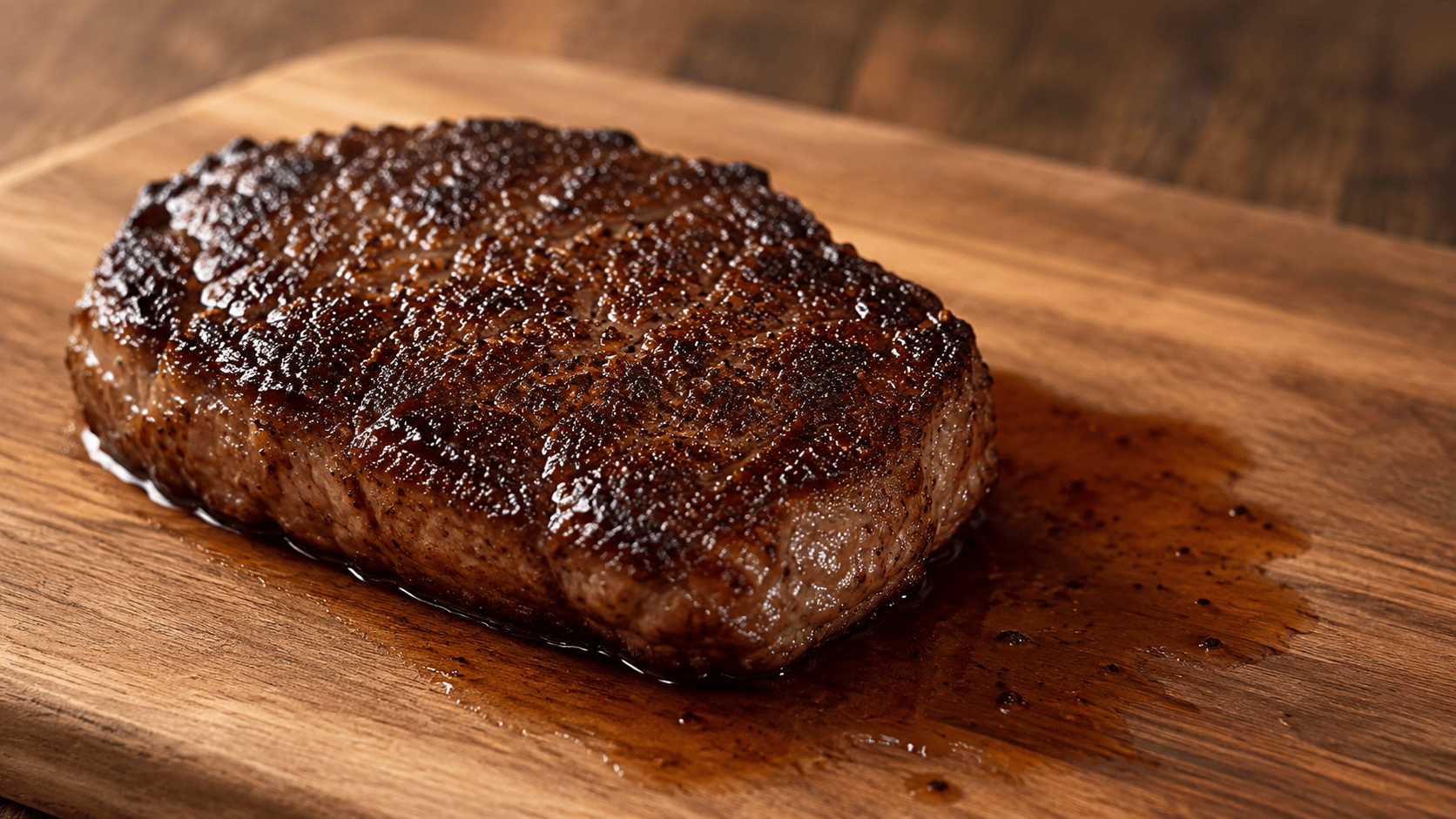
Searing Does Not Lock in Juices: The 175-Year-Old Cooking Myth
You've heard it forever: sear your steak to seal in the juices. It's wrong. Learn what searing actually does, why the myth survives, and how to do it right.
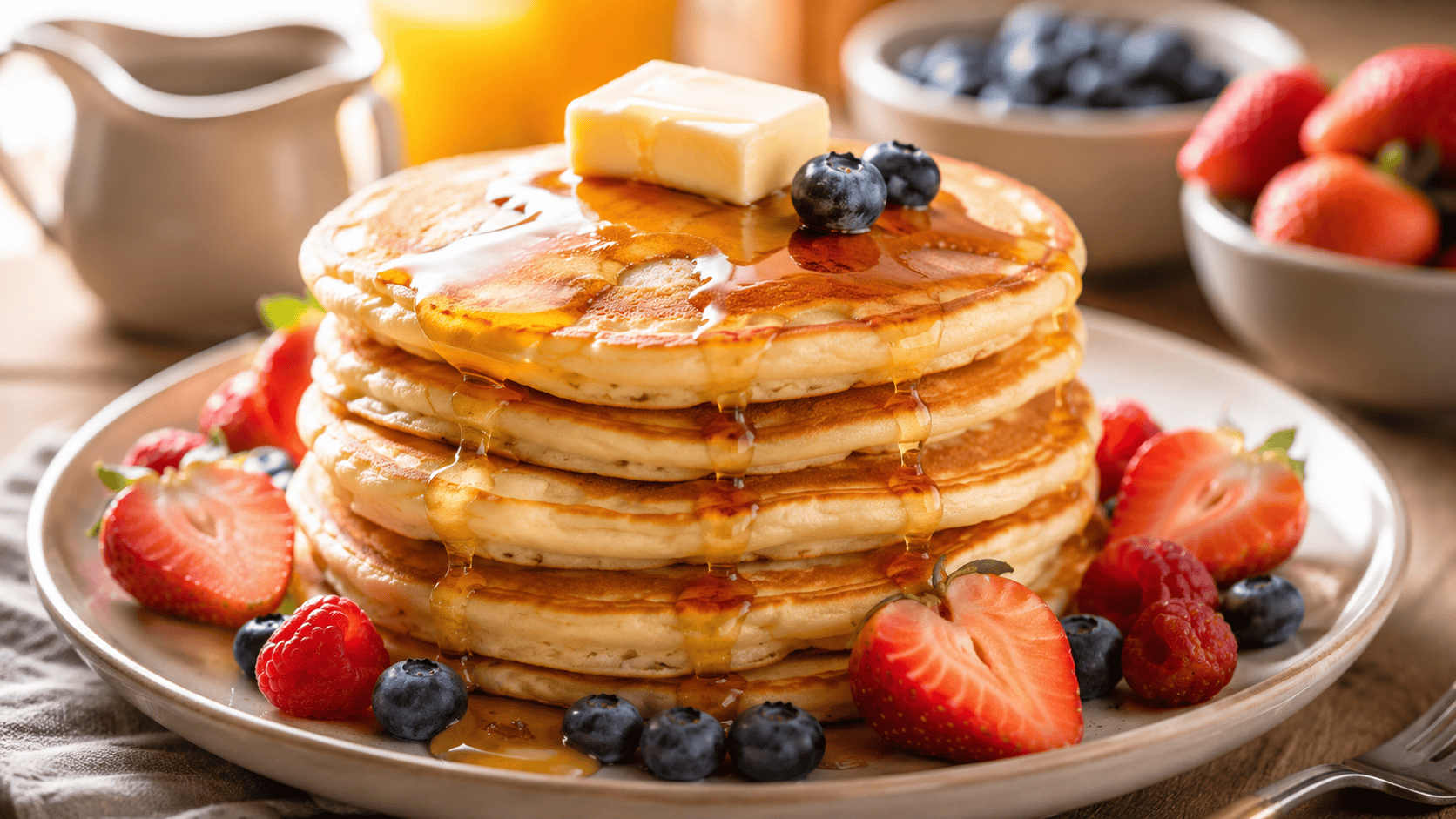
Why Pancakes Get Tough: The Overmixing Mistake
You stirred your batter smooth. No lumps. Then your pancakes came out dense and chewy. Learn why lumpy batter makes better pancakes.
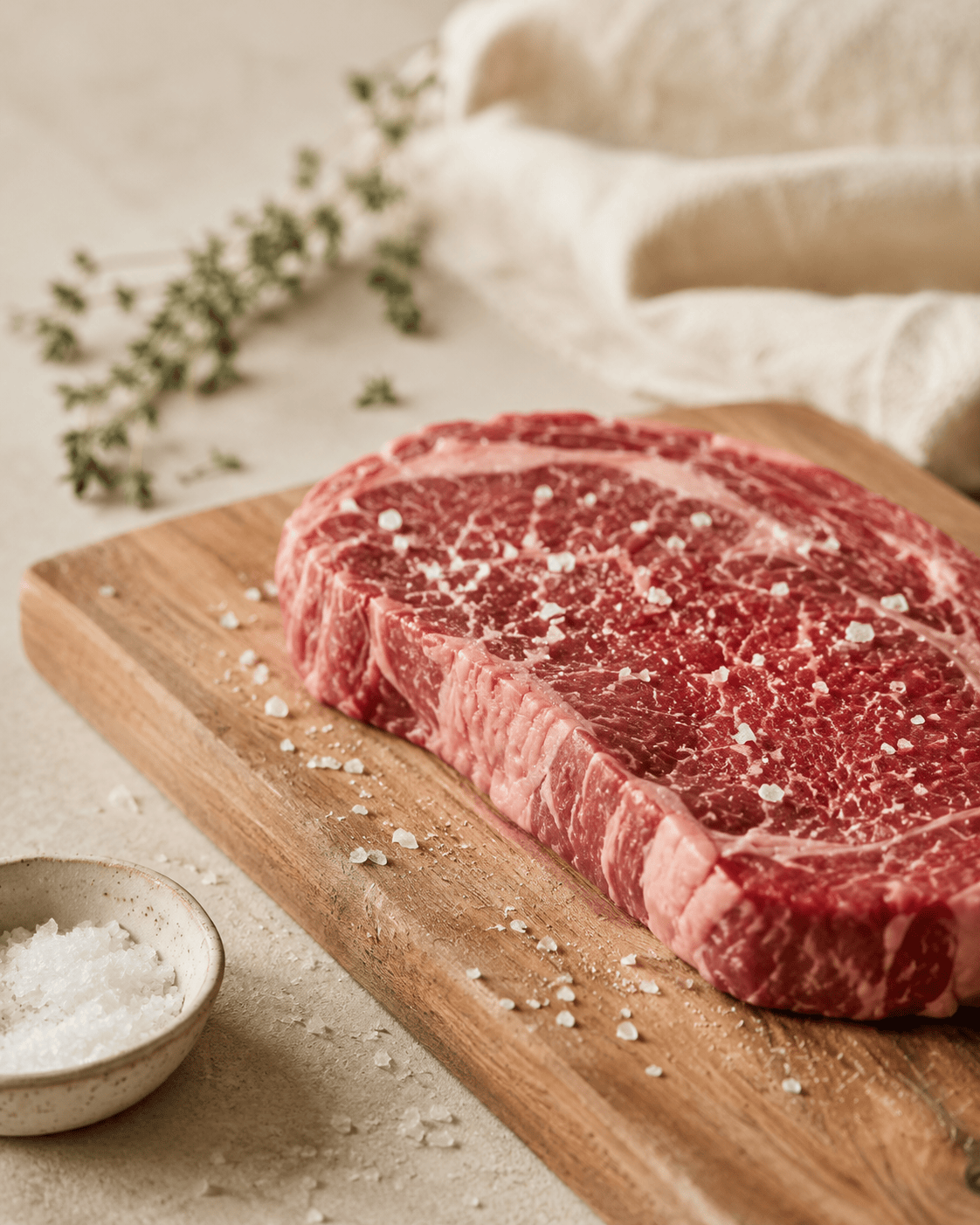
When to Salt Steak (and When Not To): The Science, Not the Opinion
Salting steak at the wrong time ruins your crust. Learn when to salt — 40 minutes before, right before cooking, or overnight. Simple checklist included.
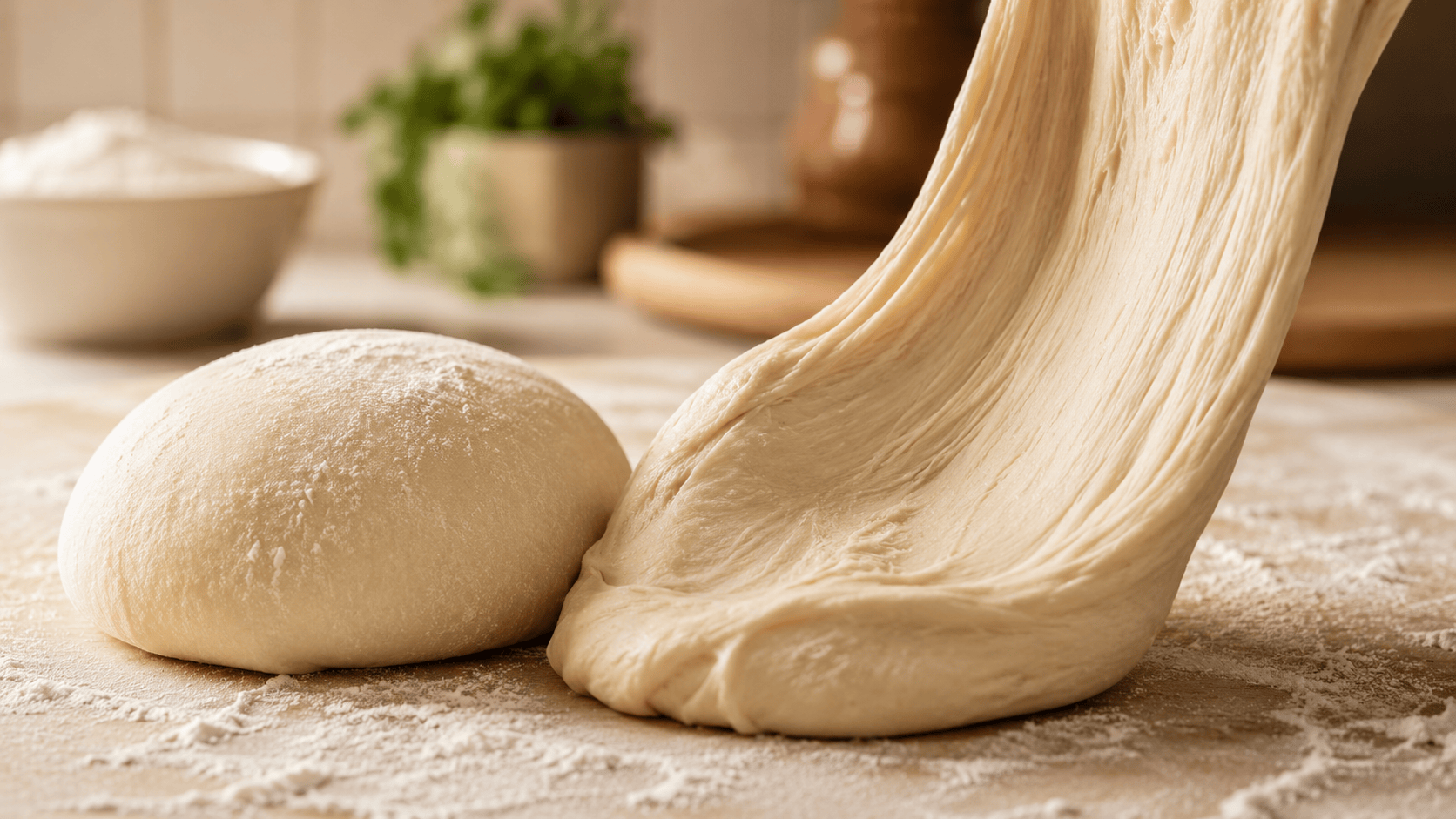
Why Dough Needs Rest (And Why It Keeps Snapping Back)
Your dough keeps snapping back. It's not your technique — it's gluten that hasn't relaxed. Learn why resting matters for pizza, bread, and pasta.
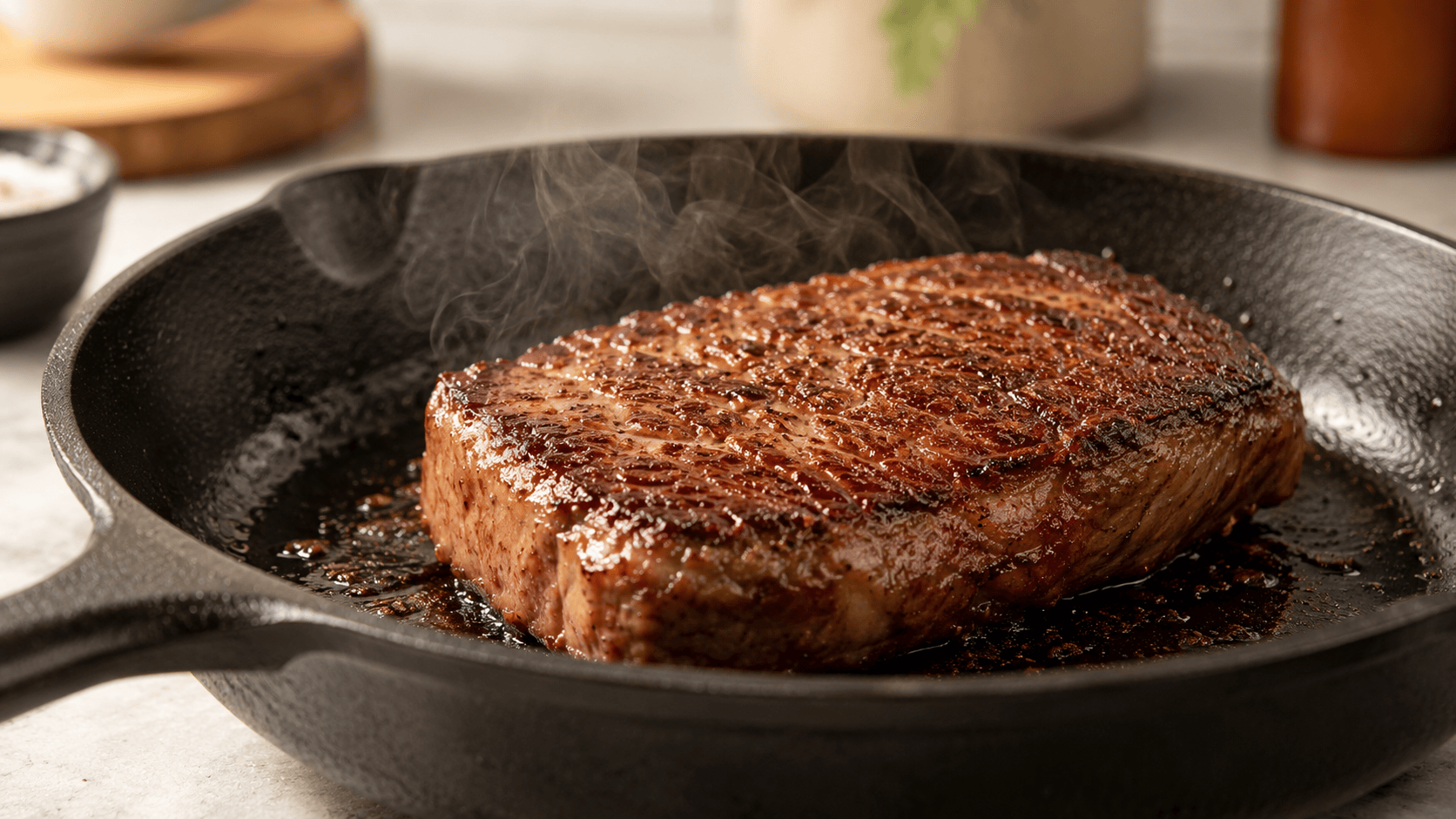
Why Your Steak Isn't Browning (You're Steaming It)
You wanted a steakhouse crust but got gray. It's not your pan — it's surface moisture. Learn the Maillard reaction and the quick fix.
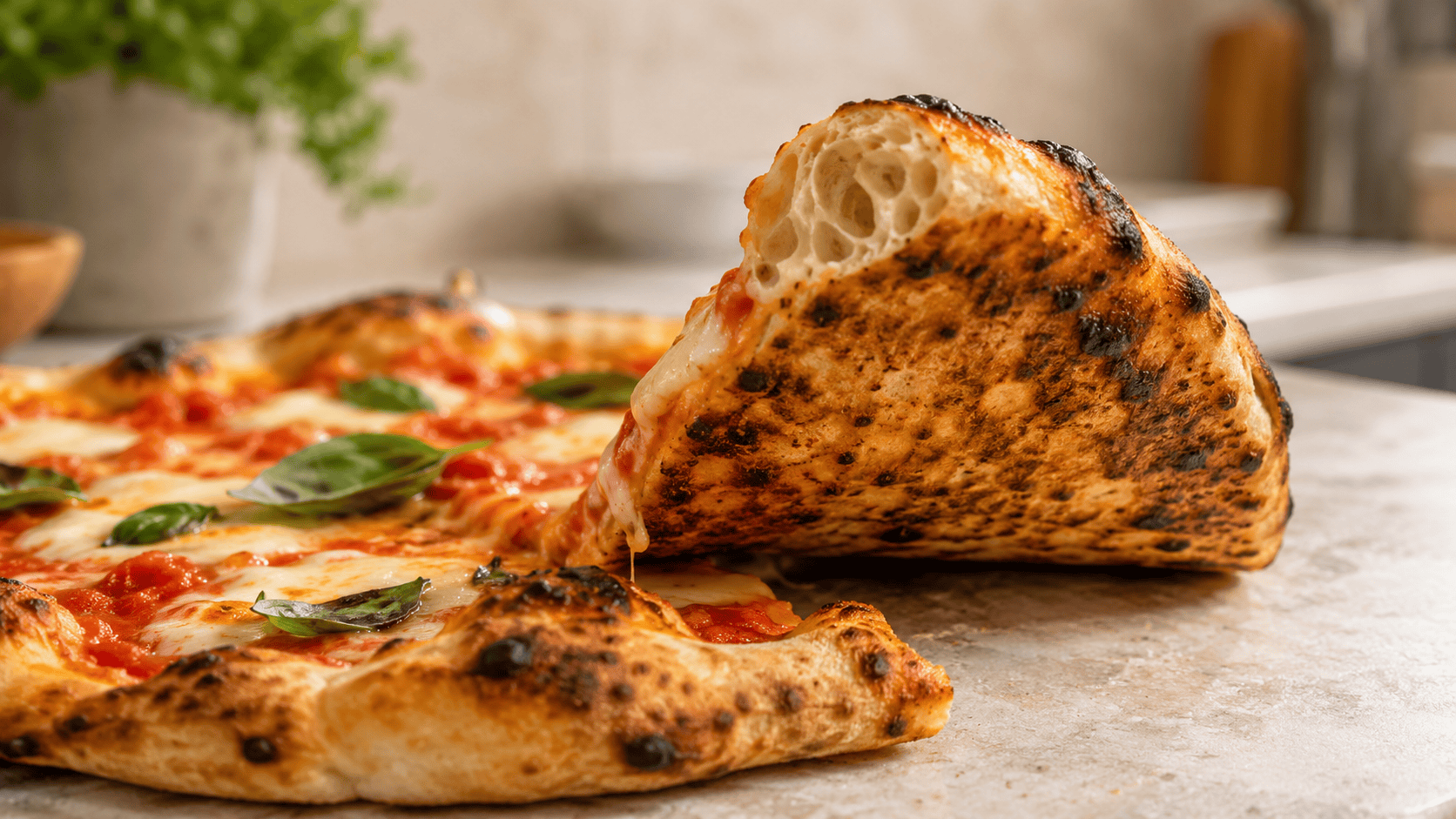
Why Your Pizza Crust Isn't Crispy (It's Not Your Dough Recipe)
Your homemade pizza crust comes out soft and floppy even at 500°F. The fix isn't your dough recipe. It's heat transfer. Learn the 5 steps that actually work.